
English

> News > Company News > Winter Truck Tires: Ensuring Maximum Performance and Safety in Cold Seasons
Company News
As winter approaches, the challenges for truck operators, fleet managers, and logistics companies increase significantly. Cold temperatures, snow, ice, and slush can severely impact driving safety and operational efficiency. For trucks, which carry heavy loads over long distances, the stakes are even higher. Choosing the right winter truck tires is no longer optional—it is a critical factor for safety, performance, and cost-efficiency.
Winter truck tires are engineered specifically for low temperatures, slippery surfaces, and extreme road conditions. Unlike all-season or summer tires, winter tires use specialized rubber compounds that remain flexible even in freezing temperatures, ensuring consistent grip and stability. In this blog, we dive deep into why winter truck tires are essential, how they work, and what factors fleet managers should consider when selecting the right tires for their trucks.
Modern winter truck tires incorporate advanced technology to meet the rigorous demands of winter driving. Some of the most important features include:
a. High Wear-Resistant Rubber Compounds
Winter truck tires are designed with high wearproof formulas, which provide excellent durability and anti-slip performance. Even under heavy loads and long-distance travel, these tires maintain structural integrity, reducing maintenance costs and downtime for fleets.
b. Deep Tread Patterns and Sipes
Winter tires feature aggressive tread designs with deep grooves and multiple sipes. These elements are engineered to channel snow, water, and slush away from the contact surface, improving grip and preventing hydroplaning. The sipes also increase the number of biting edges, enhancing traction on icy roads.
c. Reinforced Belt Structures
Many high-performance winter truck tires come with four-ply or multi-ply belt structures, which significantly improve high-speed stability, ride comfort, and durability. This ensures that trucks remain stable even when fully loaded, making long-haul operations safer during winter months.
d. Highway-Optimized Tread Patterns
Tires designed for urban highways and long-distance travel feature patterns optimized for both wet and dry winter conditions. These patterns strike a balance between traction and rolling efficiency, reducing fuel consumption while maintaining maximum control.
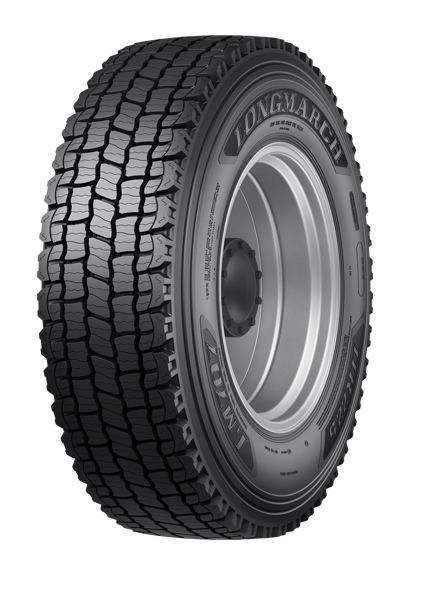
Investing in winter truck tires brings immediate and long-term performance advantages for fleet operators:
a. Enhanced Traction on Snow and Ice
Traction is the most critical factor for safe winter driving. Proper winter tires provide superior grip on snow-covered or icy roads, reducing the risk of skidding and accidents. This is especially important for trucks carrying heavy loads, where braking distances increase significantly in slippery conditions.
b. Improved Braking and Handling
Winter tires significantly improve braking performance on cold, wet, or icy surfaces. Trucks equipped with specialized winter tires can stop in shorter distances, maintain lane stability, and navigate turns safely—even under emergency conditions.
c. Longevity and Durability
High-quality winter truck tires are built to withstand extreme winter wear and tear. The combination of wear-resistant rubber compounds and reinforced sidewalls ensures that the tires last longer, offering cost savings and reduced fleet downtime over the season.
d. Consistent Performance Across Temperatures
Winter tires are engineered to remain flexible at temperatures below 7°C. This allows trucks to maintain consistent traction, handling, and comfort, even in the harshest winter climates, where all-season tires would become stiff and less responsive.
Winter driving introduces risks that can severely impact safety and operational efficiency. Using the right winter tires provides tangible benefits:
Reduced Skidding and Sliding: Enhanced grip prevents trucks from losing control on icy or snow-packed roads.
Improved Driver Confidence: Stable tires reduce driver fatigue and anxiety during long winter trips.
Cargo Protection: Better traction and braking reduce the likelihood of accidents, safeguarding transported goods.
Compliance with Regulations: Many regions require winter tires for trucks during certain months to meet safety regulations, avoiding fines and operational disruptions.
Selecting the right winter tires involves understanding both technical specifications and operational needs. Key considerations include:
Load Capacity: Ensure the tire can support the weight of fully loaded trucks without compromising safety.
Tread Design: Look for deep, aggressive patterns and multiple sipes for maximum grip on snow and ice.
Temperature Performance: Rubber compounds should remain flexible in freezing conditions for optimal traction.
Durability: Reinforced sidewalls and multi-ply constructions help withstand cuts, abrasions, and heavy loads.
Operational Conditions: Consider whether the truck primarily operates in urban highways, rural roads, or long-haul routes, and select tires optimized for those conditions.
By carefully evaluating these factors, fleet managers can choose tires that maximize safety, efficiency, and lifespan.
Beyond safety, winter truck tires contribute to overall fleet efficiency:
Reduced Maintenance Costs: Durable tires with advanced compounds last longer, reducing replacement frequency.
Fuel Efficiency: Optimized tread patterns minimize rolling resistance, improving fuel economy even under heavy loads.
Operational Reliability: Trucks are less likely to face delays due to tire-related issues, ensuring on-time deliveries.
Driver Retention: Providing high-quality winter tires demonstrates a commitment to driver safety, enhancing employee satisfaction.
Winter truck tires are an essential investment for professional fleets, logistics companies, and long-haul operators. Proper winter tires:
Enhance traction and braking on snow, ice, and wet roads
Provide long-lasting durability and wear resistance
Improve driver confidence, fleet efficiency, and cargo safety
Ensure compliance with seasonal safety regulations
Choosing the right winter truck tires, like the LM/R/SC 666 series, is not just about seasonal convenience—it’s about protecting lives, goods, and business operations. For fleet managers, investing in high-quality winter tires pays off in safety, efficiency, and cost savings, making them a strategic choice for winter transport success.