
English

> News > Company News > Comparing Summer and Winter Passenger Car Tires: What Drivers Should Know
Company News
Selecting the right tires for your passenger car is more than a matter of convenience—it directly impacts safety, performance, and fuel efficiency. Many drivers underestimate the importance of matching their tires to seasonal conditions. Understanding the differences between summer and winter tires can help you make informed decisions and optimize your driving experience.
Summer tires are engineered for warm weather performance. Their rubber compounds are designed to remain firm and responsive in temperatures above 7°C (45°F), providing excellent grip on dry and wet roads. The tread patterns are optimized for handling and stability, which makes them ideal for highway and city driving where sharp turns and fast stops are common.
Using summer tires in hot weather also improves fuel efficiency, thanks to lower rolling resistance. However, summer tires are not suitable for snowy or icy conditions. In cold weather, the rubber can harden, significantly reducing traction and braking performance.
Summer tires are best for drivers who primarily travel in regions with hot summers and mild winters, or those who prioritize performance, handling, and fuel efficiency over winter-specific traction.
Winter tires, also called snow tires, are specifically designed for cold and snowy conditions. Their rubber compounds stay soft and flexible even at temperatures below 7°C, allowing the tires to maintain grip on ice and snow. The tread patterns are deeper and often feature multiple sipes, helping to channel water, slush, and snow away from the contact surface to prevent slipping.
Winter tires provide shorter braking distances on snow and ice, making them a critical safety feature in regions with harsh winters. However, they wear faster on warm or dry roads, which is why they are not intended for year-round use.
Winter tires are essential for drivers living in regions with frequent snowfall, icy roads, or consistently low temperatures. They are particularly important for long-distance commuting or highway travel in winter months, where traction and braking reliability are crucial.
The primary differences lie in rubber composition, tread design, and performance characteristics. Summer tires have a harder rubber compound that excels in warm weather, providing stable handling and superior braking on dry or wet roads. Winter tires use a softer compound that remains flexible in cold temperatures, paired with tread designs optimized for snow and ice traction.
While summer tires maximize driving performance and efficiency, winter tires prioritize safety and reliability in adverse weather. Choosing the wrong type can lead to reduced traction, longer braking distances, and uneven tire wear.
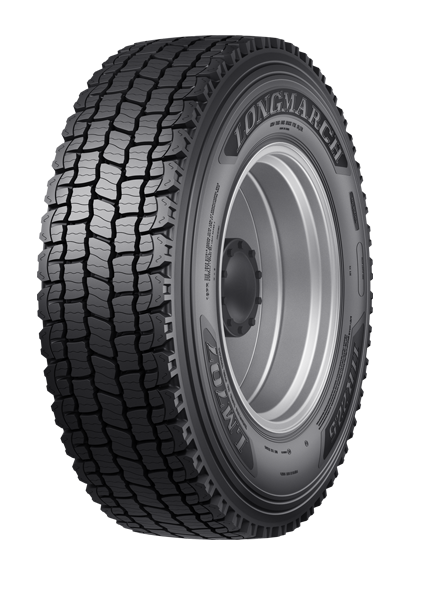
For regions with moderate climates, all-season tires offer a compromise. They provide acceptable traction in light snow and rain while performing adequately in warmer weather. However, they cannot match the handling precision of summer tires in hot conditions, nor the snow and ice grip of dedicated winter tires. Drivers in areas with extreme seasonal changes may still benefit from swapping between summer and winter tires for optimal performance.
Regardless of tire type, proper care can significantly extend lifespan:
Monitor tire pressure regularly, adjusting for temperature changes.
Rotate tires every 5,000–8,000 miles to ensure even tread wear.
Check tread depth frequently and replace tires before performance deteriorates.
Store off-season tires in a cool, dry place to preserve the rubber compound.
Encourage smooth driving habits, avoiding sudden acceleration, harsh braking, and sharp cornering.
Choosing between summer and winter tires is not just a seasonal preference—it is a safety-critical decision. Summer tires provide high performance and efficiency in warm conditions, while winter tires are indispensable for safe driving on snow and ice. For drivers in regions with moderate climates, all-season tires can provide a compromise, but swapping between seasonal tires often delivers the best combination of safety, performance, and longevity.
Investing in the right tires and maintaining them properly ensures longer tire life, safer driving, and better overall vehicle performance, making it a smart decision for every car owner.