
English

> News > Company News > Winter Regional Tyres: Performance and Safety for Reliable Cold-Weather Transport
Company News
Winter conditions present serious challenges for trucks operating in regional transportation networks. Snow-covered roads, freezing temperatures, slush, ice, and wet pavement all increase the risk of reduced traction, longer braking distances, and vehicle instability. For fleet operators and logistics companies that rely on consistent deliveries, choosing the right winter regional tyres is essential for maintaining safety, operational efficiency, and compliance with winter road regulations.
Unlike standard truck tyres, winter regional tyres are specifically engineered to perform in low temperatures and variable winter road conditions. Their tread design, rubber compounds, and structural features are optimized to deliver superior grip, stability, and durability during cold-weather operations.
Understanding how winter regional tyres improve performance and safety can help fleet managers make better purchasing decisions while reducing operational risks.
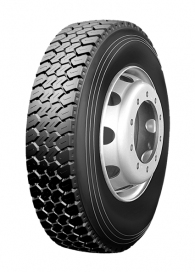
Winter regional tyres are heavy-duty truck tyres designed for vehicles operating in regional distribution routes during winter months. These tyres are commonly used on trucks that travel medium distances with frequent stops, such as delivery trucks, logistics fleets, construction vehicles, and municipal transport vehicles.
Compared with long haul tyres, regional tyres experience more braking, acceleration, and turning due to urban and suburban driving conditions. When winter weather is added to the equation, tyres must deliver strong traction, resistance to uneven wear, and reliable handling on slippery surfaces.
Winter regional tyres are typically equipped with specialized winter tread patterns and cold-resistant rubber compounds that remain flexible in freezing temperatures. This flexibility allows the tyre to maintain better road contact and grip when temperatures drop below 7°C (45°F).
One of the most important performance features of winter regional tyres is improved traction on snow and icy roads. These tyres usually feature deeper tread depths and aggressive tread patterns designed to bite into snow and slush.
Many winter regional tyres also incorporate sipes, which are small slits in the tread blocks. These sipes create additional gripping edges that improve traction when driving on icy or wet surfaces. As the tyre rotates, the sipes open and close, helping to channel water away and maintain road contact.
This design significantly improves vehicle control and reduces the risk of slipping or skidding, especially during braking and cornering in winter conditions.
Braking performance becomes a critical safety factor during winter driving. On cold or icy roads, standard tyres may become stiff and lose their ability to grip the road surface effectively.
Winter regional tyres are made with special silica-rich rubber compounds that remain flexible even in extremely low temperatures. This flexibility allows the tyre tread to conform to uneven road surfaces and maintain maximum contact with the ground.
As a result, trucks equipped with winter regional tyres typically experience shorter braking distances and improved stopping stability, helping drivers maintain control in emergency situations.
Winter roads are not always covered in snow. Often, drivers must navigate slushy or partially melted road surfaces, which can create dangerous hydroplaning conditions.
Winter regional tyres are designed with wide circumferential grooves and advanced drainage channels that help evacuate water, slush, and melted snow from the tyre surface. This reduces the likelihood of hydroplaning and improves traction on wet winter roads.
By effectively dispersing water and slush, these tyres maintain better road contact and enhance vehicle stability during highway and city driving.
Regional trucking operations involve frequent stopping, turning, and varying load conditions, which can place significant stress on tyres. Winter regional tyres are constructed with reinforced casings and durable tread compounds to withstand these demanding conditions.
These tyres are engineered to resist irregular wear, sidewall damage, and tread chunking caused by icy debris or rough winter roads. Stronger durability helps fleets reduce maintenance costs and extend tyre service life even during harsh winter operations.
Many winter regional tyres are also designed to support multiple retreading cycles, allowing fleets to maximize their tyre investment.
In many regions, winter tyre regulations require commercial vehicles to use tyres that meet specific performance standards. Winter regional tyres often carry the 3PMSF (Three-Peak Mountain Snowflake) symbol, indicating that the tyre meets international winter traction requirements.
Using certified winter tyres not only improves safety but also helps fleets comply with government regulations in areas where winter tyre usage is mandatory during certain months.
For logistics companies operating across different regions, selecting compliant tyres ensures smooth transportation operations and avoids potential penalties or restrictions.
Although winter tyres typically prioritize traction over fuel economy, modern winter regional tyres are increasingly designed with optimized rolling resistance to maintain reasonable fuel efficiency.
Advanced tread compounds and structural designs help balance winter performance with lower energy loss during rotation. This allows fleets to maintain good fuel economy while still benefiting from enhanced winter safety features.
Selecting high-quality winter regional tyres can therefore support both operational safety and cost control.
To maximize the performance and safety benefits of winter regional tyres, proper maintenance and operational practices are essential.
Fleet operators should regularly monitor tyre pressure, as cold temperatures can cause pressure levels to drop. Maintaining correct inflation ensures optimal traction and prevents uneven wear.
Regular tyre inspections should also be conducted to check for tread wear, cuts, or embedded debris. Rotating tyres at recommended intervals can further extend tyre life and maintain balanced performance.
In addition, drivers should be trained in winter driving techniques, such as maintaining safe speeds, increasing following distances, and avoiding sudden braking or acceleration.
Winter driving presents unique challenges for trucks operating in regional transportation networks. Snow, ice, slush, and cold temperatures all increase the risk of reduced traction and vehicle instability.
Winter regional tyres are specifically engineered to address these challenges by delivering enhanced traction, improved braking performance, better stability on wet and slushy roads, and stronger durability for demanding regional operations.
For fleet managers and logistics companies, investing in high-quality winter regional tyres is a critical step toward improving road safety, maintaining operational reliability, and protecting drivers and cargo during harsh winter conditions. By combining the right tyres with proper maintenance and responsible driving practices, fleets can ensure safe and efficient transportation throughout the winter season.