
English

> News > Company News > Tips for Extending the Service Life of Long Haul Tires
Company News
Long haul tires play a crucial role in the efficiency, safety, and profitability of long-distance trucking operations. Because long haul trucks travel thousands of miles across varying road and weather conditions, tires are constantly exposed to heavy loads, heat buildup, road debris, and continuous friction. Without proper maintenance and management, tire wear accelerates quickly, leading to higher operational costs, reduced fuel efficiency, and increased risk of road failures.
For fleet managers and truck operators, extending the service life of long haul tires is not only about reducing tire replacement costs but also about improving vehicle performance and minimizing downtime. By adopting the right maintenance strategies and operational practices, trucking companies can significantly increase tire durability and maximize their investment.
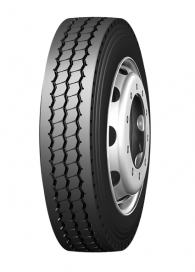
Selecting the appropriate long haul tires is the first step toward ensuring longer service life. Not all truck tires are designed for the same conditions. Tires specifically engineered for long haul transportation typically feature optimized tread patterns, stronger casing structures, and advanced rubber compounds that reduce heat buildup during extended highway driving.
High-quality long haul tires are designed to deliver lower rolling resistance, improved tread wear, and better fuel efficiency. When selecting tires, fleet operators should consider factors such as load capacity, road conditions, climate, and typical driving distance. Using tires that match the truck's operational requirements helps prevent premature wear and structural damage.
Incorrect tire pressure is one of the most common causes of premature tire failure. Underinflated tires create excessive heat and rolling resistance, which accelerates tread wear and increases the risk of blowouts. Overinflated tires, on the other hand, can lead to uneven wear and reduced traction.
Regularly checking and maintaining proper tire inflation is essential for maximizing the lifespan of long haul tires. Tire pressure should be inspected at least once a week and before long trips. Fleet managers may also consider installing tire pressure monitoring systems (TPMS) to ensure real-time pressure tracking and prevent unnoticed pressure loss.
Proper inflation not only improves tire durability but also contributes to better fuel efficiency and safer driving performance.
Tire rotation helps distribute wear evenly across all tires on a truck. Because different tire positions experience different levels of stress—such as steer, drive, and trailer positions—uneven wear patterns can develop over time.
Rotating long haul tires at recommended intervals helps balance tread wear, ensuring that no single tire wears out prematurely. A well-planned rotation schedule allows fleet operators to maximize the usable life of each tire while maintaining consistent traction and handling performance.
Regular rotation also makes it easier to detect potential tire issues early, such as irregular wear patterns or alignment problems.
Wheel misalignment is another major factor that shortens the service life of long haul tires. When wheels are not properly aligned, tires experience uneven contact with the road surface, leading to irregular tread wear such as feathering, cupping, or shoulder wear.
Routine wheel alignment checks are essential for trucks that travel long distances. Proper alignment ensures that tires wear evenly and maintain optimal road contact, which improves both safety and fuel efficiency.
Wheel balancing is equally important. Imbalanced wheels can cause vibrations that accelerate tire wear and place additional stress on suspension components.
Regular tire inspections allow drivers and maintenance teams to identify problems before they become serious. Checking tread depth is especially important for long haul tires because worn tread reduces traction and increases braking distance.
In addition to tread depth, it is important to inspect tires for signs of damage such as cuts, punctures, bulges, or embedded road debris. Early detection allows repairs to be performed before the damage worsens.
Many fleet operators implement scheduled tire inspection programs to ensure that all tires are evaluated periodically and maintained in optimal condition.
Overloading places excessive stress on long haul tires and significantly reduces their lifespan. When a truck carries more weight than recommended, tires generate more heat and experience greater structural strain.
Adhering to the vehicle’s recommended load limits helps maintain tire integrity and prevents premature wear or failure. Proper load distribution across axles is also critical. Uneven loading can cause certain tires to carry more weight than others, leading to accelerated wear.
Using onboard weighing systems or carefully monitoring cargo weight can help prevent overloading issues.
Driver behavior has a direct impact on tire longevity. Aggressive acceleration, sudden braking, and sharp cornering increase friction and heat buildup, which can shorten tire life.
Encouraging drivers to adopt smoother driving habits can significantly extend the service life of long haul tires. Maintaining steady speeds, avoiding sudden maneuvers, and reducing unnecessary braking help minimize tire stress and improve overall vehicle efficiency.
Training drivers on tire-friendly driving techniques is an effective way for fleets to reduce tire-related costs.
A structured tire maintenance program is one of the most effective ways to extend tire life in long haul trucking operations. Preventive maintenance programs typically include scheduled inspections, pressure monitoring, alignment checks, tire rotation, and detailed record keeping.
Fleet managers often track tire performance data to identify wear patterns and optimize maintenance schedules. This data-driven approach helps detect potential issues early and improves overall tire management.
By investing in a proactive maintenance strategy, companies can reduce tire failures, minimize downtime, and maximize the return on their tire investment.
Retreading is a common practice in the commercial trucking industry and can significantly extend the usable life of long haul tires. High-quality tire casings can often be retreaded multiple times, allowing fleets to reuse the tire structure while replacing the worn tread.
Retreaded tires provide a cost-effective alternative to purchasing new tires while maintaining reliable performance when properly manufactured. However, retreading should only be performed on casings that are in good structural condition and inspected thoroughly before reuse.
Improper storage can shorten the lifespan of spare long haul tires before they are even used. Tires should be stored in a cool, dry environment away from direct sunlight, chemicals, and excessive moisture.
Maintaining the correct storage conditions helps preserve the rubber compound and prevents cracking or premature aging. Rotating spare tire inventory periodically also ensures that older tires are used before newer ones.
Extending the service life of long haul tires requires a combination of proper tire selection, consistent maintenance, and responsible driving practices. From maintaining correct tire pressure and performing regular inspections to ensuring proper alignment and avoiding overloading, each step contributes to improving tire durability and overall fleet efficiency.
For trucking companies and fleet operators, implementing a comprehensive tire management strategy can significantly reduce operating costs while enhancing road safety and vehicle performance. By prioritizing tire care and maintenance, businesses can maximize the value of their long haul tires and ensure reliable performance across thousands of miles of highway travel.