
English

> News > Company News > Winter Long Haul Tires: Performance and Safety for Reliable Cold-Weather Trucking
Company News
Long-haul trucking becomes significantly more challenging during winter. Commercial trucks often travel hundreds or thousands of miles across changing climates, facing snow-covered highways, freezing temperatures, icy roads, and wet conditions. In these environments, standard highway tires may not provide the traction, durability, and control required for safe operation.
Winter long haul tires are specially engineered for heavy-duty trucks operating in cold climates. They combine advanced rubber compounds, optimized tread designs, and reinforced structures to deliver reliable performance while maintaining the durability required for extended mileage applications.
For fleet operators, choosing the right winter truck tires is not only about improving traction—it is about reducing downtime, protecting cargo, and improving overall fleet safety.
Winter long haul tires are heavy-duty commercial truck tires designed specifically for highway transportation in cold-weather conditions. Unlike standard all-season or highway tires, they are developed to maintain flexibility and grip when temperatures drop.
These tires are commonly used for:
Class 8 trucks
Semi-trailers
Freight transport vehicles
Regional and long-distance fleets
Logistics and distribution trucks
Heavy commercial vehicles operating in snow regions
A quality winter long haul tire balances three critical requirements:
Winter traction + Long service life + Heavy load performance
This makes them different from passenger winter tires, which focus primarily on short-distance comfort and snow grip.
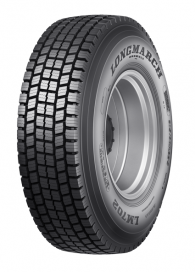
The biggest challenge for long-haul trucks in winter is maintaining control on slippery surfaces.
Winter long haul tires use specialized tread patterns featuring:
Deeper grooves for snow evacuation
Multiple biting edges for improved grip
High-density sipes for ice traction
Directional tread designs to improve water and slush removal
These tread features allow tires to maintain contact with the road surface, improving:
Acceleration on snow
Braking control
Cornering stability
Overall vehicle handling
Winter tires are specifically designed to maintain better traction in snow and ice compared with standard tires because their tread patterns and rubber compounds are optimized for low-temperature conditions.
Traditional tire compounds can become harder as temperatures decrease, reducing road contact and traction.
Winter long haul tires use advanced rubber formulations that remain flexible in low temperatures.
Benefits include:
Better grip below freezing temperatures
Improved braking performance
Reduced risk of slipping
More consistent handling in changing weather
A flexible compound allows the tire to adapt to uneven winter road surfaces instead of losing contact with the pavement.
Long-haul fleets require tires that can withstand:
Thousands of highway miles
Heavy loads
Continuous operation
Variable road conditions
Winter long haul tires are built with:
Reinforced casing structures
Durable tread compounds
Heat-resistant internal construction
Optimized wear patterns
These features help extend tire service life while maintaining winter performance throughout the tire's lifespan.
Stopping a fully loaded commercial truck on snow or ice requires maximum tire performance.
Winter long haul tires improve braking safety through:
Increased road contact area
Improved tread block stability
Additional traction edges
Better cold-weather flexibility
For fleet operators, improved braking capability means:
Shorter stopping distances
Lower accident risks
Better driver confidence
| Feature | Winter Long Haul Tires | Standard Highway Tires |
|---|---|---|
| Cold-weather grip | Excellent | Limited |
| Snow traction | High | Moderate |
| Ice performance | Optimized | Reduced |
| Rubber flexibility in cold | Maintained | Reduced |
| Long-distance durability | Designed for fleets | Designed mainly for normal conditions |
| Severe winter suitability | Recommended | Limited |
While highway tires may perform well during warm-weather transportation, they are not optimized for severe winter conditions where snow, ice, and freezing temperatures are common.
Large trucks have significant momentum, especially when fully loaded. Loss of traction can quickly lead to:
Trailer instability
Jackknifing
Lane departure
Longer braking distances
Winter long haul tires help maintain predictable handling in difficult conditions.
Winter weather can cause serious delivery delays.
Reliable winter tires help fleets:
Continue operation during snow conditions
Reduce roadside incidents
Maintain delivery schedules
Improve fleet availability
For logistics companies, tire reliability directly impacts operational efficiency.
Professional drivers often face unpredictable winter routes.
Proper winter tires provide:
More stable steering response
Better traction feedback
Improved confidence on icy highways
This contributes to safer decision-making during long-distance transportation.
Choose tires based on:
Average winter temperatures
Snow frequency
Ice conditions
Highway vs regional routes
For northern regions with frequent snow and ice, dedicated winter tires are usually the better choice.
Commercial truck tires must match vehicle requirements.
Important specifications include:
Load range
Maximum load capacity
Inflation pressure
Tire size
Axle position
Incorrect tire selection can affect safety and tire lifespan.
Different applications require different tread patterns.
Examples:
Steer axle tires
Focus on steering control
Improve directional stability
Drive axle tires
Require stronger traction
Designed for acceleration on snow and ice
Trailer tires
Focus on durability and load carrying
When purchasing winter truck tires, fleet managers should check industry markings and certifications.
The Three-Peak Mountain Snowflake (3PMSF) symbol indicates that a tire meets recognized severe snow traction requirements.
Even premium winter tires require proper maintenance.
Cold temperatures reduce tire pressure, affecting:
Fuel efficiency
Tire wear
Handling performance
Regular inspections help maintain safe operation.
Adequate tread depth is essential for:
Snow traction
Water evacuation
Braking performance
Worn tires lose their ability to effectively handle winter conditions.
Long-haul trucks often encounter:
Road debris
Potholes
Uneven surfaces
Regular inspections help identify:
Cuts
Cracks
Sidewall damage
Irregular wear
For commercial transportation companies, tires are a critical safety component—not just a maintenance expense.
High-quality winter long haul tires provide:
Reliable traction in snow and ice
Improved braking performance
Longer service life
Better fuel efficiency potential
Reduced downtime
Enhanced driver safety
The right tire choice helps fleets operate confidently even when winter conditions become unpredictable.
Winter long haul tires play an essential role in safe and efficient commercial transportation. By combining cold-weather rubber technology, advanced tread designs, and heavy-duty durability, they help trucks maintain control during challenging winter operations.
For fleets operating across snowy regions, investing in purpose-built winter truck tires is a practical strategy to improve safety, reduce operational risks, and keep freight moving throughout the winter season.