
English

> News > Company News > Seasonal Maintenance Tips for Long Haul Tires
Company News
Long-haul truck tires operate under demanding conditions throughout the year. Changes in temperature, road conditions, rainfall, snow, summer heat, and seasonal freight loads can all affect tire pressure, tread wear, casing condition, and overall service life.
For fleet managers, trucking companies, and commercial tire buyers, seasonal maintenance is not simply about preventing tire failure. A well-planned maintenance program can help improve long haul tire lifespan, fuel efficiency, vehicle stability, and total cost per mile.
This guide explains how to maintain long-haul tires during different seasons and what fleet operators should inspect before road conditions change.
Long-haul trucks may travel thousands of miles each month, often moving through several climate zones during a single route.
A truck may leave a warm distribution center and enter freezing conditions within the same trip. This creates additional challenges for tire maintenance.
Seasonal changes can affect:
Tire inflation pressure
Rubber flexibility
Tread wear
Wet-road traction
Heat buildup
Sidewall condition
Tire casing durability
Rolling resistance
Ignoring these changes can increase the risk of irregular wear, punctures, blowouts, and premature tire replacement.
Seasonal inspections therefore help fleets identify problems before they become expensive roadside failures.
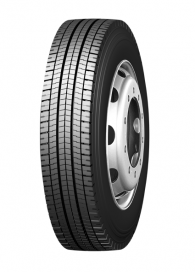
Spring is an important inspection period because tires may have experienced months of cold temperatures, snow, road salt, moisture, and rough winter roads.
Begin with a complete visual inspection.
Look for:
Sidewall cuts
Tread cracking
Embedded stones
Irregular tread wear
Bulges
Impact damage
Exposed cords
Damaged valve stems
Winter potholes can create internal casing damage that may not immediately cause tire failure.
Any tire that has experienced a severe impact should be carefully inspected.
Spring often brings heavy rainfall, which makes adequate tread depth especially important.
Deep enough tread grooves help evacuate water from the tire-road contact area.
Insufficient tread depth can increase the risk of:
Hydroplaning
Longer braking distances
Reduced steering control
Fleet operators should measure tread depth at several points across the tire rather than checking only one location.
Uneven readings may indicate alignment or inflation problems.
Winter road conditions can affect wheel alignment.
Potholes, road damage, and frequent curb impacts may cause misalignment.
Signs of alignment problems include:
One-sided shoulder wear
Feathered tread patterns
Rapid tire wear
Steering pull
Correcting alignment early can significantly improve long-haul tire mileage.
Small stones frequently become trapped inside commercial tire tread grooves.
If they remain embedded, they may gradually penetrate deeper into the casing.
During seasonal inspections, remove:
Stones
Metal fragments
Glass
Other sharp debris
This simple maintenance practice may help prevent punctures and casing damage.
Summer conditions can be especially demanding for long-haul tires.
High ambient temperatures combined with heavy loads and highway speeds increase internal tire temperatures.
Temperature changes directly affect inflation pressure.
Tire pressure should always be checked when tires are cold.
Avoid reducing pressure simply because a tire appears to have higher pressure after long-distance driving. Pressure naturally rises as the tire heats during operation.
Operating with insufficient cold inflation pressure can lead to excessive sidewall flexing and heat generation.
This may contribute to:
Casing fatigue
Tread separation
Irregular wear
Increased rolling resistance
Maintaining recommended cold inflation pressure is one of the most effective ways to extend tire service life.
Long-haul tires naturally generate heat while operating.
Summer temperatures can increase this heat considerably.
Factors that increase tire temperature include:
High vehicle speed
Heavy axle loads
Underinflation
Long continuous driving
High road temperatures
Aggressive braking
Fleet managers should pay close attention to repeated overheating.
If a specific tire consistently operates hotter than others, this may indicate:
Pressure problems
Brake drag
Bearing problems
Excessive load
During summer inspections, look for:
Tread separation
Rubber discoloration
Sidewall deformation
Bulges
Cracking
Any unusual tire appearance should be investigated before the truck returns to long-distance service.
Overloading becomes especially damaging during hot weather.
More load means greater tire deflection and additional heat generation.
Fleet operators should monitor axle loads rather than simply considering total vehicle weight.
Uneven cargo distribution can overload individual tires even when overall truck weight remains within acceptable limits.
Autumn is the ideal time to prepare long-haul tires for winter operation.
Conditions often become wetter and colder, while daylight hours decrease.
Do not wait until the beginning of winter to discover that tires are nearing replacement.
Measure tread depth during fall maintenance and determine whether the tires can safely complete the winter operating period.
Pay particular attention to:
Drive tires
Steer tires
Trailer tires
Each tire position experiences different operating conditions and wear patterns.
As temperatures fall, tire inflation pressure may also decrease.
A tire that was correctly inflated during warm weather may become underinflated after a significant temperature drop.
More frequent pressure checks during seasonal transitions can help maintain stable tire performance.
Air leakage is not always caused by punctures.
Valve components can gradually become damaged or contaminated.
Inspect:
Valve stems
Valve cores
Valve caps
Tire pressure monitoring sensors
Replacing inexpensive valve components can prevent slow air loss.
Seasonal maintenance is also a good opportunity to review tire wear across the fleet.
Where appropriate, tire rotation may help improve total casing utilization.
However, rotation decisions should be based on:
Tire position
Wear pattern
Remaining tread depth
Fleet maintenance policy
Do not rotate tires simply according to mileage without inspecting actual wear.
Winter conditions introduce several challenges, including freezing temperatures, snow, ice, road salt, and reduced traction.
Cold temperatures can reduce tire pressure.
Underinflated commercial tires may experience:
Higher rolling resistance
Increased fuel consumption
Shoulder wear
Excessive casing flexing
Heat buildup during operation
Even in winter, underinflation can produce significant internal tire heat once the truck reaches highway speeds.
Regular cold-pressure checks are therefore essential.
Winter routes require sufficient tread depth and suitable tread design.
Drive tires should provide adequate traction during acceleration, while steer tires must maintain reliable steering and braking control.
When selecting long-haul tires for winter routes, consider:
Tread depth
Tread block design
Siping
Compound characteristics
Regional weather conditions
The best tire depends on the actual operating environment.
Rubber becomes less flexible at low temperatures.
Inspect sidewalls and tread areas for:
Fine cracks
Larger structural cracks
Damage near the bead
Existing repairs
Older tires may be more vulnerable to cold-weather deterioration.
Snow and ice can accumulate around wheels and suspension components.
Excessive buildup can potentially interfere with normal operation.
Drivers should include wheel areas in winter pre-trip inspections.
Inflation pressure deserves particular attention because it changes with temperature.
Fleet operators should establish a consistent tire pressure management program.
Good practices include:
Checking tires when cold
Using calibrated pressure gauges
Following manufacturer recommendations
Recording pressure readings
Investigating repeated pressure loss
Inspecting valve components
Using TPMS where appropriate
Automatic tire inflation systems may also help maintain stable pressure across trailer fleets.
However, monitoring systems should complement physical inspections rather than completely replacing them.
Seasonal maintenance provides an opportunity to identify tire wear patterns before they become severe.
Possible causes may include excessive inflation or mismatched operating conditions.
Can sometimes indicate:
Underinflation
Excessive loading
Alignment issues
Frequently associated with alignment or suspension problems.
May indicate:
Suspension issues
Wheel imbalance
Worn mechanical components
The key is to correct the underlying cause, not simply replace the tire.
Otherwise, the new tire may develop the same wear pattern.
Dual tires require special attention.
Both tires should have compatible:
Diameter
Tread depth
Inflation pressure
Load capacity
Large differences between paired tires can create uneven load distribution.
Operators should also check the space between dual tires for trapped objects.
Stones or debris caught between tires can damage sidewalls during highway operation.
Steer and drive tires often receive most maintenance attention, but trailer tires also contribute significantly to fleet tire costs.
Trailer tires may suffer from:
Underinflation
Flat spotting
Irregular wear
Brake-related heat damage
Curb impact damage
Because trailers may sit unused for extended periods, tire pressure should be checked before returning them to long-haul service.
Long-haul fleets often use retreading programs to reduce tire lifecycle costs.
Protecting the casing is therefore important.
Before sending tires for retreading, inspect for:
Excessive sidewall damage
Exposed cords
Severe punctures
Belt separation
Bead damage
Heat damage
A tire with strong casing integrity may provide multiple service cycles, significantly improving total tire value.
Fleet maintenance teams can use a simple seasonal inspection schedule.
| Inspection Item | Spring | Summer | Fall | Winter |
|---|---|---|---|---|
| Tire pressure | ✓ | ✓ | ✓ | ✓ |
| Tread depth | ✓ | ✓ | ✓ | ✓ |
| Sidewall condition | ✓ | ✓ | ✓ | ✓ |
| Alignment | ✓ | As needed | ✓ | As needed |
| Heat damage | Check | Priority | Check | Check |
| Valve stems | ✓ | ✓ | ✓ | ✓ |
| Embedded debris | ✓ | ✓ | ✓ | ✓ |
| Dual tire matching | ✓ | ✓ | ✓ | ✓ |
| Casing condition | ✓ | ✓ | ✓ | ✓ |
| Winter traction | — | — | Prepare | Priority |
Daily and scheduled fleet inspections should continue between seasonal service intervals.
Effective seasonal tire maintenance can generate several operational benefits.
Correct pressure, alignment, and load management help distribute tread wear more evenly.
This allows fleets to use more of the available tread before replacement.
Underinflation increases rolling resistance.
Maintaining correct tire pressure can help commercial vehicles operate more efficiently.
Early identification of cuts, pressure loss, casing damage, or abnormal wear can prevent failures during long-distance operation.
Protecting the casing improves the possibility of successful retreading.
This can significantly reduce lifecycle tire costs.
Regular inspections allow maintenance teams to predict when tires will need replacement.
This supports planned maintenance rather than emergency purchasing.
Maintenance can improve tire life, but the original tire specification must also match the application.
When purchasing long-haul truck tires, fleet managers should consider:
| Selection Factor | Why It Matters |
|---|---|
| Tire size | Must match vehicle and rim requirements |
| Load capacity | Determines safe operating load |
| Speed rating | Important for highway operation |
| Tread depth | Affects wear life and traction |
| Tread pattern | Influences stability and rolling resistance |
| Compound | Affects heat and wear resistance |
| Casing strength | Important for durability and retreading |
| Rolling resistance | Can affect fuel economy |
| Route conditions | Determines suitable tire construction |
| Climate | Influences compound and tread requirements |
A tire that performs well on one fleet may not necessarily deliver the same results on another.
Route profile, axle load, speed, climate, and maintenance practices all influence final tire performance.
Commercial tire pressure should be checked regularly and before long-distance operation. Fleets should increase inspection frequency when temperatures change significantly or when a tire shows repeated pressure loss.
High temperatures can increase internal tire heat, particularly when tires are underinflated, overloaded, or operated continuously at highway speeds. Correct inflation and load management are especially important during summer.
Lower ambient temperatures reduce the pressure of the air inside the tire. Fleet operators should therefore check cold inflation pressure more frequently as temperatures fall.
Rotation may be useful when wear patterns and tire positions justify it, but it should not be performed automatically. Tire condition, tread depth, diameter, and fleet maintenance practices should be evaluated first.
Maintaining correct inflation pressure is one of the most important practices, but pressure management should be combined with tread inspections, load control, alignment checks, and casing inspections.
Focus on lifecycle cost rather than purchase price alone. Proper tire selection, inflation management, scheduled inspections, alignment maintenance, casing protection, and effective retreading programs can reduce cost per mile.
Seasonal changes can significantly influence the performance and durability of long haul tires.
Spring inspections help identify winter damage, summer maintenance focuses heavily on heat and inflation management, fall inspections prepare fleets for colder conditions, and winter maintenance emphasizes pressure, traction, and cold-weather tire condition.
The most effective approach is to make seasonal inspections part of a broader tire management program.
By regularly monitoring inflation pressure, tread depth, casing condition, alignment, axle loads, tire temperature, and wear patterns, fleet operators can extend tire service life, reduce roadside failures, improve vehicle efficiency, and lower total tire cost per mile.
For commercial tire buyers, choosing the correct tire is only the beginning. Long-term durability ultimately depends on matching the tire to the operating environment and maintaining it properly throughout every season.