
English

> News > Company News > Urban Tyre: How Modern City Tires Are Shaping Safer, Smarter, and More Efficient Urban Mobility
Company News
As global cities expand and urban driving conditions become increasingly complex, Urban Tyres have rapidly emerged as one of the most important tyre categories for daily commuters. Built specifically for metropolitan road conditions—short-distance travel, frequent braking, stop-and-go traffic, smooth pavements, and occasional uneven surfaces—urban tyres are transforming the overall driving experience with optimized safety, durability, and fuel efficiency.
Urban tyres are specially engineered tires designed for city environments. Unlike highway or off-road tyres, they are optimized for:
frequent acceleration and deceleration
precise handling in tight spaces
enhanced braking response
high resistance to wear from constant stop-start traffic
reduced noise for quiet in-city driving
improved fuel efficiency and lower rolling resistance
These tyres combine advanced tread compounds with innovative pattern designs to meet the unique challenges of modern urban mobility.
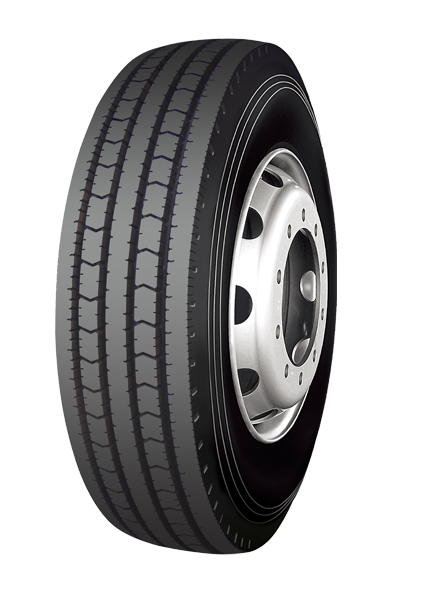
1. Superior Braking on City Roads
City driving involves repeated braking at traffic lights, intersections, and pedestrian crossings. Urban tyres feature optimized tread blocks and high-silica rubber compounds that increase the friction coefficient, enabling shorter braking distances on dry and wet pavement.
2. Enhanced Durability for Stop-Start Traffic
Urban driving exposes tyres to accelerated wear. The compound formulations of urban tyres are engineered to resist high-temperature buildup caused by frequent braking and rapid speed changes, resulting in longer tyre life and reduced maintenance costs.
3. Better Fuel Efficiency
With fuel prices rising globally, drivers seek tyres that reduce energy loss. Urban tyres typically adopt low rolling resistance technology, helping to improve fuel economy by decreasing friction between the tyre and road surface. This also contributes to lower CO₂ emissions, supporting urban sustainability goals.
4. Low Noise Performance
To meet modern expectations for quiet mobility, urban tyres are designed with noise-canceling tread engineering, including variable pitch sequences and lateral grooves that reduce pattern noise—a feature highly valued by electric vehicle users in city centers.
5. Excellent Wet Grip in Sudden Rain
City climates often experience unpredictable showers. Urban tyres’ micro-sipes and water-evacuation channels significantly improve wet traction, minimizing hydroplaning risks and allowing drivers to maintain stability even in sudden heavy rainfall.
Vs. Highway Tyres: Urban tyres prioritize braking, handling, and wear resistance over high-speed performance.
Vs. All-Season Tyres: They offer better responsiveness and lower noise for city conditions.
Vs. Sport Tyres: They focus on comfort and fuel efficiency instead of maximum grip at high speeds.
For everyday city use, urban tyres always deliver more balanced performance and longevity.
Top-performing brands are integrating cutting-edge technologies to meet the needs of modern city driving:
Silica-enriched compounds for improved flexibility and shorter wet-braking distances
Nano-polymer bonding that enhances tread stiffness and reduces wear
Smart tread patterns that adapt to heat buildup
Eco-friendly materials reducing microplastic shedding
Sidewall reinforcement for protection against curb impacts
EV-compatible structures to support heavier electric vehicles and instant torque
As electric mobility expands in metropolitan areas, these advancements are becoming essential for city-oriented tyres.
Drivers selecting urban tyres should consider:
Tread pattern: Asymmetric patterns offer superior stability and quietness.
Temperature resilience: Important for hot, congested city environments.
Load strength: Necessary for SUVs and EVs commonly used in urban settings.
Wet grip rating: Crucial for monsoon or rainy-season cities.
Wear resistance: Determines long-term cost efficiency.
Selecting tyres that match vehicle type, driving habits, and local road conditions maximizes performance and safety.
The global Urban Tyre market continues to grow steadily due to several factors:
Rapid urbanization: More city vehicles demand specialized tyre solutions.
Electric vehicle adoption: EVs require quiet, durable, high-grip urban tyres.
Green mobility policies: Low rolling resistance tyres support fuel reduction mandates.
Rising consumer awareness: Drivers prioritize comfort, safety, and long-term value.
Manufacturers are responding by expanding product lines targeted specifically at city mobility, including ranges tailored for passenger cars, compact SUVs, hybrid vehicles, and commercial fleets such as taxis and ride-sharing cars.
Keep tyre pressure at recommended levels for fuel efficiency and grip
Rotate tyres every 8,000–10,000 km
Avoid aggressive braking and acceleration
Inspect tread depth regularly to ensure safe braking
Perform periodic alignment to reduce uneven wear
Proper maintenance dramatically increases safety and tyre longevity, especially in dense traffic areas.
As cities grow and daily driving patterns evolve, Urban Tyres have become a critical component of modern mobility. Their optimized safety, reduced noise, exceptional durability, and energy-saving performance make them the ideal choice for urban commuters, electric vehicle owners, and fleet operators. For drivers seeking a smoother, safer, and more efficient city driving experience, upgrading to high-quality urban tyres is one of the most impactful decisions they can make.