
English

> News > Company News > Winter Tyres: Essential Insights for Safer Driving in Cold Conditions
Company News
As temperatures drop and winter weather approaches, the importance of switching to winter tyres cannot be overstated. Designed to deliver superior traction, braking, and handling in icy, snowy, and cold conditions, winter tyres have become an indispensable safety feature for drivers across colder regions worldwide.
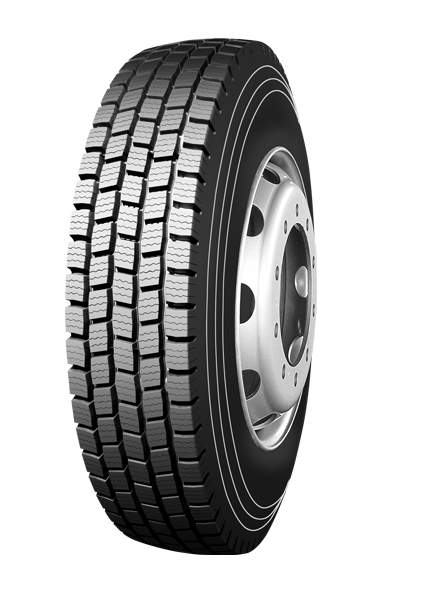
Winter tyres, also known as snow tyres, are engineered specifically for driving in sub-zero temperatures. Unlike all-season or summer tyres, winter tyres use a specialized rubber compound that remains flexible in cold weather, allowing the tyre to maintain grip on icy and snowy roads. Additionally, their tread patterns are deeper and often feature unique sipes—small slits in the tread blocks—that improve traction and channel water and slush away from the tyre, reducing the risk of hydroplaning.
Enhanced Safety
The most critical advantage of winter tyres is safety. Studies consistently show that vehicles equipped with winter tyres have shorter stopping distances on snow and ice, often by several meters. This reduction in braking distance can mean the difference between a safe stop and a collision.
Improved Traction and Handling
Winter tyres are designed to grip slippery surfaces effectively. Their flexible rubber and deep tread patterns improve cornering and stability on snowy roads, giving drivers more confidence even in harsh weather.
Optimized Performance in Cold Conditions
Standard tyres harden in low temperatures, losing their ability to maintain traction. Winter tyres remain pliable, ensuring consistent contact with the road and preventing dangerous skidding.
Experts recommend installing winter tyres when temperatures consistently drop below 7°C (45°F). Even in the absence of snow, cold weather can make summer or all-season tyres less effective. In regions with heavy snowfall, early installation before the first frost is ideal to avoid last-minute rushes at service centers.
Choosing the Right Winter Tyre
Selecting the right winter tyre depends on several factors:
Tyre Type: Studded, studless, or performance winter tyres. Studded tyres offer superior ice grip but are restricted in some regions due to road wear concerns. Studless tyres provide excellent snow traction, while performance winter tyres balance grip with higher-speed stability.
Size and Fit: Proper tyre size ensures optimal handling and safety. Vehicle manuals or tyre dealers can provide precise specifications.
Tread Pattern: Directional patterns enhance snow and water evacuation, while asymmetric patterns improve overall stability and steering response.
Even the best winter tyres require proper care:
Regular Pressure Checks: Cold weather reduces tyre pressure, affecting grip and fuel efficiency.
Tread Depth Monitoring: Tyres with worn-out tread cannot provide adequate traction. Winter tyre tread should ideally be more than 4mm.
Rotation and Alignment: Regular rotation and wheel alignment ensure even wear and prolong tyre lifespan.
The winter tyre market has witnessed steady growth due to increased awareness of road safety and stricter regulations in cold-weather countries. Technological advancements, including eco-friendly compounds and noise-reducing tread designs, have further boosted consumer demand. Key markets include Europe, North America, and parts of Asia, where harsh winter conditions are prevalent.
As winter approaches, investing in high-quality winter tyres is a proactive step toward safer driving. Beyond regulatory compliance in some regions, winter tyres enhance control, reduce braking distances, and provide peace of mind during the most challenging driving conditions. Drivers should prioritize tyre selection, timely installation, and proper maintenance to fully leverage the advantages winter tyres offer.