
English

> News > Company News > Longevity and Lifespan of Truck Tires in Commercial Use
Company News
For commercial fleet operators, replacing truck tires too frequently increases operating costs, while extending tire use beyond safe limits can lead to unexpected breakdowns, vehicle downtime, and safety risks. Understanding the commercial truck tire lifespan helps fleet managers balance mileage, maintenance expenses, and road safety. Whether operating long-haul trucks, regional delivery vehicles, or heavy-duty transport fleets, knowing how long truck tires last in commercial use and how to extend truck tire life through proper maintenance is essential. This guide explains the factors affecting tire longevity, practical inspection methods, and maintenance strategies that help maximize tread wear performance, tire pressure management, and casing durability.
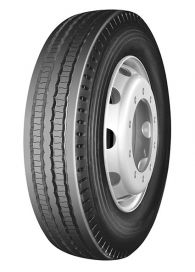
Truck tire lifespan refers to the period or mileage during which a tire can safely and effectively perform its intended function. Unlike passenger car tires, commercial truck tires operate under different load conditions, driving distances, road surfaces, and operating schedules. Their service life therefore depends on both the rate of tread wear and the structural condition of the tire.
There is no universal mileage or calendar age that applies to every commercial truck tire. A tire used primarily on highways may experience different wear patterns from one operating on construction roads or in urban delivery environments. Axle position, vehicle weight, driving speed, inflation pressure, and maintenance practices also influence its useful service life.
Two measurements are particularly important when evaluating truck tire longevity:
Tread life: The usable mileage before the tread reaches the applicable replacement threshold. Tread depth affects traction, water evacuation, braking performance, and handling.
Casing life: The serviceability of the tire's internal structure, including its steel belts, carcass, and bead area. A structurally sound casing may remain suitable for professional inspection and retreading even after the original tread has worn down.
For commercial fleets, these two measurements should be considered separately. A tire may have reached the end of its original tread life without necessarily reaching the end of its casing life. However, retreading is only appropriate when the casing passes a qualified inspection and meets applicable technical and regulatory requirements.
All-steel radial truck tires are widely used in commercial transportation because their construction is designed to support heavy vehicle loads and continuous operation.
The main structural components include:
Tread: The rubber surface that contacts the road and provides traction and wear resistance.
Steel belt layers: Reinforcing layers beneath the tread that help maintain tread stability and structural strength.
Radial carcass: The internal structure that supports the tire load and contributes to controlled sidewall flexing.
Bead area: The reinforced section that secures the tire to the wheel rim.
Sidewall: The flexible outer section that protects the casing and withstands repeated deformation during operation.
These components work together to distribute loads, maintain the tire's contact patch, and manage heat generated during driving. Proper inflation pressure is particularly important because excessive tire flexing can increase internal temperature and accelerate structural deterioration.
Commercial truck tire mileage is influenced by a combination of operating conditions and maintenance decisions. Understanding these factors helps fleet operators identify the main causes of premature tire replacement.
Incorrect inflation pressure is one of the most common causes of premature tire wear. Underinflated tires experience excessive sidewall deflection, which increases heat generation and rolling resistance. The tread may also wear unevenly because the tire's contact patch and load distribution change.
Overinflation creates a different problem. Excessive pressure can reduce the effective contact area and concentrate wear around the center of the tread, depending on the tire design and operating conditions.
Continental's commercial tire technical guidance reports that an underinflation level of 0.2 bar can reduce tire life expectancy by approximately 15%, while a pressure deficit of 0.6 bar can result in a reduction of around 45%. These figures illustrate the potential impact of incorrect inflation and should not be treated as guaranteed results for every tire or operating condition.
Fleet managers should use the manufacturer's load-and-inflation recommendations and actual axle loads rather than relying on a single pressure setting for every vehicle.
Truck tires are designed to operate within specific load limits. Consistently carrying loads above the tire's rated capacity increases stress on the casing, belt structure, and sidewalls.
Uneven weight distribution can also accelerate wear. For example, excessive loading on one side of a drive axle may cause the tires on that side to experience greater stress than those on the opposite side.
To protect tire service life, fleet operators should:
Check the vehicle's actual axle loads.
Match tire load capacity to the maximum operating weight.
Distribute cargo according to the vehicle manufacturer's loading requirements.
Avoid exceeding the tire's load index or applicable load limits.
Road surfaces have a direct effect on truck tire mileage. Long-haul vehicles generally operate on relatively consistent highway surfaces, while regional and construction vehicles may encounter potholes, gravel, sharp debris, and uneven roads.
These conditions create different wear patterns:
Highway transportation: Continuous operation at relatively stable speeds creates sustained heat and tread wear.
Urban delivery: Frequent braking, acceleration, turning, and curb contact increase irregular wear and shoulder stress.
Construction transportation: Gravel, sharp stones, and uneven surfaces increase the risk of cuts, punctures, and casing damage.
Mixed-route transportation: Changing road conditions require a balance between tread durability, traction, and resistance to irregular wear.
Selecting the correct truck tire tread pattern for the intended application is therefore an important part of controlling replacement costs.
Aggressive driving can shorten truck tire service life even when the correct tire specifications are selected. Rapid acceleration, hard braking, sharp cornering, and repeated contact with road obstacles place additional stress on the tread and casing.
Continuous high-speed operation also increases heat generation. When combined with excessive loads or insufficient inflation pressure, high operating temperatures can accelerate rubber degradation and increase the risk of tire failure.
Driver training, reasonable speed control, and smoother acceleration and braking help reduce unnecessary tire stress.
Incorrect wheel alignment can cause uneven tire wear, especially when the vehicle experiences toe or camber deviations. Worn suspension components, damaged wheel bearings, and steering system problems may also contribute to irregular tread wear.
Common warning signs include:
One shoulder wearing faster than the other.
Feathered or saw-tooth tread edges.
Repeated wear on the same axle position.
Vehicle pulling to one side during normal driving.
Bridgestone Commercial Tires recommends considering wheel alignment at intervals of approximately 80,000 to 100,000 miles, while irregular wear or mechanical repairs may require earlier checks. Actual inspection intervals should follow vehicle and tire manufacturer recommendations.
Ambient temperature affects tire pressure and operating conditions. In cold weather, tire pressure can decrease, while high ambient temperatures combined with heavy loading and high speeds can increase internal tire temperature.
Commercial fleets operating across different climates should monitor cold inflation pressure, inspect tires for weather-related deterioration, and select suitable tread compounds and patterns for their operating environments.
Not all truck tires are designed for the same working conditions. Differences in tread compound, pattern design, casing construction, load capacity, and heat-dissipation characteristics influence how a tire performs in service.
For example, a long-haul truck tire prioritizes consistent highway performance and wear resistance, while a regional tire must accommodate frequent braking, turning, and changing road conditions.
Choosing a tire based on its actual application rather than purchasing solely according to initial price helps fleet operators evaluate long-term tire cost per mile.
Improving truck tire mileage requires a consistent maintenance process rather than occasional visual inspections. The following steps provide a practical approach for fleet managers, maintenance supervisors, and commercial vehicle operators.
Before implementing a tire maintenance program, record the basic condition of every tire in the fleet.
Recommended inspection tools include:
A calibrated tire pressure gauge.
A digital or manual tread depth gauge.
A tire inspection checklist.
A vehicle mileage and maintenance record.
A flashlight for examining sidewalls and tread grooves.
Record the following information for each tire:
Tire size and specification.
Axle and installation position.
Current vehicle mileage.
Remaining tread depth.
Cold inflation pressure.
Visible cuts, cracks, punctures, or other damage.
Manufacturing date and previous maintenance history.
This baseline makes it easier to identify abnormal wear and compare the performance of different tire models under similar working conditions.
Check tire pressure when tires are cold, preferably before the vehicle begins its daily route. Use the recommended pressure corresponding to the actual axle load and tire specification.
A practical commercial fleet routine includes:
Check inflation pressure at least weekly.
Perform visual tire checks before each trip.
Inspect valve stems and valve caps for leakage or damage.
Investigate repeated pressure loss instead of repeatedly adding air without identifying the cause.
Recheck pressure after maintenance or tire replacement.
Weekly pressure checks serve as a practical maintenance routine for many commercial fleets. Vehicles operating under demanding conditions may require more frequent monitoring.
Use a tread depth gauge to measure the remaining tread at multiple positions across the tire. Check the inner shoulder, center, and outer shoulder rather than relying on a single measurement.
Different wear patterns can indicate different problems:
Center wear: May indicate excessive inflation pressure relative to the load and operating conditions.
Shoulder wear: May indicate insufficient inflation pressure, overloading, or operating-related stress.
One-sided wear: May indicate alignment or suspension problems.
Irregular or localized wear: May indicate mechanical issues, wheel imbalance, or repeated operating stress.
For fleets operating in the United States, FMCSA regulation 49 CFR §393.75 requires at least 4/32 inch of tread depth in the major grooves of front tires on trucks and truck tractors, and 2/32 inch for other tire positions. These are legal minimums, not recommended targets for every operating environment. Other countries and regions may have different requirements.
Rotation can help distribute wear more evenly when the tire design, axle configuration, and vehicle manufacturer's recommendations permit it.
However, commercial truck tire rotation should not follow a universal passenger-car rotation schedule. Fleet technicians need to consider:
Steer, drive, and trailer axle positions.
Single or dual tire configurations.
Directional and asymmetric tread patterns.
Differences in tire size and load ratings.
Manufacturer restrictions on tire positioning.
Wheel alignment should also be checked when abnormal wear appears, steering components are replaced, or the vehicle experiences a significant impact.
Proper loading and driving practices reduce unnecessary stress on the tire structure.
Fleet managers should establish clear procedures for cargo distribution, axle load verification, speed control, and driver training. Drivers should avoid sudden braking, excessive cornering, and unnecessary contact with road obstacles.
For vehicles operating on mixed or poor-quality roads, regular inspections should pay particular attention to tread cuts, sidewall damage, and embedded objects.
Retreading can help commercial fleets obtain additional mileage from suitable tire casings and reduce the total cost of tire ownership.
Before retreading, a qualified tire specialist should evaluate:
The condition of the casing and steel belt structure.
Evidence of previous repairs or internal damage.
Bead and sidewall integrity.
Signs of overheating or separation.
Compliance with retreading standards and vehicle application requirements.
A casing that has experienced severe structural damage should not be retreaded simply because the remaining tread has worn down. The safety and retreadability of the casing must take priority over its potential economic value.
Replace a tire when its condition no longer meets the applicable safety requirements or the manufacturer's service recommendations.
Important replacement warning signs include:
Exposed body ply or belt material.
Tread or sidewall separation.
Severe cuts that expose the internal structure.
Bulges or other signs of structural deformation.
Persistent air leakage or an unrepairable puncture.
Tread depth below the applicable legal or operational limit.
Do not continue using a damaged tire merely to achieve a higher mileage target. The financial cost of premature replacement is generally easier to manage than the consequences of a preventable tire failure.
Consider a regional transportation company operating 20 heavy-duty trucks. Each vehicle travels approximately 8,000 miles per month and operates with frequent stops, varying cargo weights, and changing road conditions.
During a routine fleet inspection, the maintenance team identifies several tires operating below their recommended inflation pressure. Some tires also show uneven shoulder wear, while maintenance records reveal that alignment checks have not been performed consistently.
Instead of immediately replacing every tire, the company introduces a structured tire management program.
Pressure management: Technicians record cold inflation pressure and compare it with the recommended values for each axle load.
Tread monitoring: Tread depth is measured at multiple positions to identify uneven wear before tires reach replacement limits.
Mechanical inspection: Vehicles showing abnormal tire wear receive alignment and suspension checks.
Driver training: Drivers receive guidance on smooth braking, speed control, and avoiding road obstacles.
Maintenance records: Each tire receives an individual service record covering mileage, inspections, repairs, and replacement.
To understand the financial impact of inflation maintenance, consider an illustrative calculation using a hypothetical baseline tire service life of 100,000 miles.
| Operating Condition | Illustrative Service Life | Potential Mileage Difference |
|---|---|---|
| Correct inflation baseline | 100,000 miles | Baseline |
| 0.2 bar underinflation | Approximately 85,000 miles | 15% reduction |
| 0.6 bar underinflation | Approximately 55,000 miles | 45% reduction |
Note: This is an illustrative calculation, not a guaranteed fleet result or a universal truck tire mileage benchmark. It applies approximate service-life reductions reported in commercial tire technical guidance to a hypothetical 100,000-mile baseline.
The example demonstrates why tire pressure management deserves attention in fleet operations. A relatively small maintenance issue can have a substantial impact on tire replacement frequency, operating costs, and vehicle availability.
For commercial fleet operators, tire longevity should be evaluated in terms of total operating cost rather than purchase price alone.
One useful measurement is tire cost per mile (CPM).
Truck Tire Cost Per Mile = Total Tire-Related Costs ÷ Total Tire Mileage
For example, assume a commercial tire has the following hypothetical cost structure:
Initial tire purchase: $400.
Maintenance and repair expenses: $40.
Retreading expenses: $150.
Total accumulated mileage: 120,000 miles.
The total tire-related cost is $590.
Cost per mile = $590 ÷ 120,000 = approximately $0.0049 per mile.
This calculation provides a more useful comparison between tire models than purchase price alone. A tire with a higher initial cost may offer better overall value if it delivers greater usable mileage, maintains casing integrity, and supports an additional retread cycle.
For accurate fleet comparisons, use the same cost accounting method and operating conditions when evaluating different tire brands or specifications.
Once a basic maintenance routine is established, commercial fleets can introduce more advanced methods to improve tire performance and reduce unexpected replacement costs.
A tire pressure monitoring system (TPMS) provides real-time or periodic information about tire pressure and, depending on the system, temperature.
For large fleets, TPMS can help identify slow air leaks, abnormal pressure changes, and potential overheating before they develop into more serious problems.
However, electronic monitoring should complement rather than replace physical inspections. Tire damage, embedded objects, and casing defects may not be identified by pressure sensors alone.
Fleet managers should track the performance of individual tires throughout their service life. Useful performance indicators include:
Average mileage before removal.
Tread wear rate per 1,000 miles.
Inflation pressure deviation.
Frequency of punctures and repairs.
Retread acceptance rate.
Cost per mile by tire model and axle position.
These records help identify whether premature wear is associated with a particular tire specification, vehicle type, route, or maintenance practice.
Selecting the correct tire pattern is just as important as maintaining the tire after installation.
Long-haul truck tires: Suitable for extended highway transportation, where consistent wear, heat management, and rolling resistance are important considerations.
Regional truck tires: Designed for operating conditions involving frequent stops, acceleration, braking, and changing road surfaces.
Urban truck tires: Need to accommodate frequent turning, curb contact, and stop-and-go traffic.
On/off-road truck tires: Require tread designs and structural characteristics appropriate for mixed road surfaces and demanding working conditions.
Matching the tire pattern to the route reduces unnecessary wear and helps achieve more predictable fleet operating costs.
Tread depth is not the only factor determining whether a tire remains suitable for service. Rubber components naturally change over time due to environmental exposure, storage conditions, operating temperature, and usage.
For tires that have been in service for five years or more, regular inspection by a qualified tire specialist is particularly important. This is an inspection consideration, not an automatic replacement deadline. Always follow the applicable tire manufacturer's age-related guidance.
For older tires, professional assessment should consider visible deterioration, casing condition, previous repairs, and the tire's complete service history.
There is no fixed lifespan for all commercial truck tires. Actual service life depends on annual mileage, axle position, load, inflation pressure, road conditions, tread compound, and maintenance practices. Fleet operators should monitor actual tread wear and casing condition rather than relying on a general mileage estimate.
Inflation pressure is one of the most important factors because it directly influences tire deformation, heat generation, contact patch distribution, and tread wear. Overloading, incorrect alignment, aggressive driving, and unsuitable tire selection can also accelerate deterioration.
Drivers should perform visual inspections before each trip, while tire pressure should be checked regularly, with weekly checks serving as a practical baseline for many fleets. Tread depth, alignment, and casing condition should be monitored according to vehicle usage and the manufacturer's maintenance recommendations.
Yes. Suitable commercial truck tire casings can be retreaded to provide additional service mileage. However, the casing must pass a professional inspection to confirm that its internal structure is suitable for reuse. Retreading is not appropriate for tires with unacceptable structural damage.
Yes. Steer, drive, and trailer tires experience different operating forces and wear conditions. Steer tires are influenced by steering and alignment, drive tires experience substantial traction forces, and trailer tires may be affected by scrub during turning and axle alignment. Each position requires an appropriate tread design and maintenance strategy.
Truck tires should be replaced when they reach the applicable tread depth limit, develop unacceptable structural damage, or fail to meet manufacturer and regulatory requirements. Exposed belts, tread separation, serious sidewall damage, and persistent air leakage require immediate attention.
Not necessarily. The best commercial tire is the one that delivers suitable performance for its intended application at a competitive total cost per mile. Buyers should compare tread durability, casing performance, load capacity, fuel efficiency, retread potential, and after-sales support rather than considering the initial purchase price alone.
Choosing the right truck tires requires a clear understanding of vehicle specifications and operating conditions. Before purchasing, fleet operators and distributors should evaluate several technical factors.
Check the following information before placing an order:
Tire size and rim compatibility.
Load index and load capacity.
Speed rating and operating requirements.
Tread pattern and application category.
Inflation pressure recommendations.
Relevant market certifications and regulatory requirements.
These specifications help ensure that the selected tires match the vehicle and its intended working conditions.
For distributors, importers, and fleet procurement departments, choosing a reliable manufacturer involves more than comparing product prices. Important considerations include manufacturing experience, product range, quality management, testing capabilities, specification availability, and supply consistency.
A manufacturer with multiple tread patterns and tire specifications can provide more flexibility when serving different transportation markets and commercial applications.
CHAOYANG LONG MARCH TYRE CO., LTD. specializes in the research, development, production, and sales of all-steel radial tires. The company operates three major tire brands: LONGMARCH, ROADLUX, and SUPERCARGO, offering a range of truck and bus tire specifications for different commercial transportation requirements.
Its product portfolio covers different application categories, including long-haul and regional transportation. This allows distributors and commercial tire buyers to consider tire specifications according to their target markets, vehicle configurations, and operating conditions.
When evaluating a truck tire supplier, buyers should communicate their intended application, vehicle axle position, tire size, load requirements, typical road conditions, and expected operating environment. This information helps the manufacturer recommend more appropriate tire solutions.
For businesses sourcing long-lasting truck tires for commercial fleets, comparing all-steel radial truck tires and working with an experienced truck tire manufacturer for fleet operators can help improve purchasing decisions. Consider route-specific tread patterns, casing inspection requirements, and retreadability, together with the correct load index, speed rating, and inflation pressure, to achieve a more sustainable tire management strategy.
Truck tire longevity is determined by more than the quality of the original product. Proper inflation pressure, appropriate load distribution, regular tread inspections, correct wheel alignment, and suitable driving practices all contribute to longer and safer service life.
For commercial fleet operators, the most effective approach is to establish a measurable tire management program that tracks mileage, wear patterns, maintenance history, and cost per mile. These records make it easier to identify premature wear, improve replacement planning, and evaluate the long-term value of different tire specifications.
Choosing the right all-steel radial tires is equally important. CHAOYANG LONG MARCH TYRE CO., LTD. provides truck and bus tire solutions under its LONGMARCH, ROADLUX, and SUPERCARGO brands. Whether you are a tire distributor, commercial fleet operator, or wholesale buyer, you can contact the company to discuss suitable truck tire specifications for your market and transportation applications.