
English

> News > Company News > Choosing Passenger Car Tires for Different Road Conditions
Company News
Tires are the only parts of a vehicle that directly contact the road. Their performance has a significant impact on driving safety, handling stability, braking distance, fuel efficiency, and overall comfort.
However, there is no single tire that is perfect for every driving environment. Different road conditions require different tire designs, tread patterns, rubber compounds, and performance characteristics.
Whether you drive mainly on highways, urban streets, wet roads, snowy areas, or off-road surfaces, choosing the right passenger car tires can help improve vehicle performance and provide a safer driving experience.
Before selecting tires, drivers should understand the main categories available:
| Tire Type | Best For | Main Advantages |
|---|---|---|
| All-Season Tires | Moderate climates and daily driving | Balanced performance and long service life |
| Summer Tires | Warm weather and dry roads | Excellent handling and braking |
| Winter Tires | Snow, ice, and freezing temperatures | Superior cold-weather traction |
| Performance Tires | Sport driving and high-speed handling | Better cornering and steering response |
| Touring Tires | Long-distance comfort driving | Low noise and smooth ride |
| All-Terrain Tires | Mixed road and light off-road use | Improved durability and versatility |
Choosing the right tire depends mainly on climate, road surface, driving habits, and vehicle usage.
Dry roads generally provide the best driving conditions, but tire selection still affects handling and braking performance.
For dry road driving, look for:
Wider contact area
Stable tread blocks
High-grip rubber compounds
Strong cornering capability
Performance summer tires are often preferred by drivers who want sharper handling and better road feedback.
Shorter braking distances
Improved steering response
Better stability during high-speed driving
Enhanced cornering performance
These tires are suitable for:
Sports cars
Premium sedans
Drivers who prioritize handling
However, summer tires are not recommended for cold temperatures because their rubber compounds can become harder and lose traction.
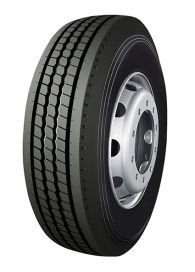
Rainy conditions create challenges such as reduced traction and hydroplaning risks.
When driving on wet roads, tire drainage performance becomes extremely important.
High-quality wet-weather tires usually include:
These channels quickly remove water from beneath the tire, helping maintain road contact.
Small cuts in the tread create additional biting edges to improve grip on wet surfaces.
These compounds improve flexibility and traction in wet conditions.
Better hydroplaning resistance
Improved wet braking performance
Increased driving confidence during rain
For regions with frequent rainfall, choosing passenger car tires with strong wet-weather ratings is essential.
Cold weather significantly changes tire performance. When temperatures drop, standard tires may become stiff and lose grip.
Winter passenger car tires are designed with:
Flexible cold-weather rubber compounds
Deep tread grooves
High-density sipes
Snow and ice traction technology
They provide improved performance on:
Snow-covered roads
Icy highways
Frozen surfaces
Cold wet roads
✓ Better acceleration on snow
✓ Improved braking control
✓ Increased stability in winter conditions
✓ Enhanced driver safety
For areas with severe winters, dedicated winter tires are generally safer than all-season tires.
Drivers who frequently travel long distances require tires that balance comfort, durability, and fuel efficiency.
Optimized tread design
Low rolling resistance
Durable casing construction
Reduced road noise
Touring tires and highway-focused passenger tires are commonly selected for:
Family sedans
SUVs
Daily commuters
Business vehicles
Their advantages include:
Longer tread life
Comfortable ride quality
Stable highway handling
Better fuel economy potential
Urban driving involves frequent:
Starts and stops
Turning
Traffic congestion
Short-distance trips
For city environments, tire priorities include:
Comfortable driving
Strong braking performance
Long wear resistance
Low noise
Recommended tire features:
Balanced tread pattern
Durable rubber compound
Good wet braking ability
A reliable all-season touring tire is often suitable for most urban drivers.
Mountain roads often include:
Sharp corners
Uneven surfaces
Steep slopes
Changing weather conditions
Drivers should consider tires with:
Strong sidewall construction
High traction capability
Stable handling
Reliable braking performance
For mixed conditions, all-terrain passenger tires or SUV tires may provide better durability and grip.
Standard passenger tires are not designed for aggressive off-road conditions.
For gravel roads, dirt roads, and light off-road applications, choose tires with:
Reinforced sidewalls
Deeper tread blocks
Strong puncture resistance
Self-cleaning tread patterns
Common applications include:
SUVs
Crossovers
Pickup trucks
These tires provide better durability when driving on challenging surfaces.
| Climate Condition | Recommended Tire |
|---|---|
| Hot and dry climate | Summer tires |
| Warm climate with heavy rain | Wet-performance all-season or summer tires |
| Mild climate | All-season tires |
| Frequent snow and ice | Winter tires |
| Mixed seasonal conditions | All-weather tires |
Climate should always be considered before purchasing new tires.
Always select tires matching your vehicle specifications.
Important information includes:
Tire width
Aspect ratio
Rim diameter
Load index
Speed rating
Using incorrect tire sizes may affect handling and safety.
Your driving habits influence the ideal tire choice.
Choose:
Touring tires
Low-noise tires
Choose:
High-performance tires
Sport tires
Choose:
Durable highway tires
For daily vehicles, tread life is an important consideration.
Look for:
Wear-resistant compounds
Uniform tread wear
Strong internal construction
Longer-lasting tires help reduce replacement frequency and maintenance costs.
Low rolling resistance tires can help reduce energy loss while driving.
Benefits include:
Improved fuel economy
Lower operating costs
Reduced environmental impact
The cheapest tire may not provide:
Reliable braking performance
Long service life
Safe wet-weather handling
A quality tire is an investment in vehicle safety.
All-season tires are convenient but may not perform well in severe winter conditions.
Drivers in snowy regions should consider dedicated winter tires.
Even the best tires require proper care.
Regular maintenance includes:
Checking tire pressure
Rotating tires
Inspecting tread wear
Checking alignment
Choosing the right passenger car tires requires understanding your typical road conditions, climate, and driving needs.
For dry roads: choose tires with strong handling and braking performance.
For wet roads: prioritize drainage and hydroplaning resistance.
For winter conditions: select tires designed for snow and ice traction.
For highways: choose durable and comfortable touring tires.
For mixed roads: consider versatile all-season or all-terrain options.
The right tire selection improves safety, driving comfort, and vehicle performance while helping drivers confidently handle different road conditions.