
English

> News > Company News > Longevity and Lifespan of Truck Tires in Commercial Use: What Fleet Managers Need to Know
Company News
Truck tires are one of the most critical components in commercial transport, directly affecting safety, fuel efficiency, and operating costs. Understanding their lifespan, factors affecting longevity, and best practices for maintenance is essential for fleet managers, logistics companies, and heavy-duty vehicle operators.
The lifespan of a truck tire is influenced by multiple variables, including:
Tire Type: Radial tires generally last longer than bias-ply tires due to better heat dissipation and structural strength.
Load and Usage Patterns: Overloaded vehicles or tires used for constant heavy-duty applications wear faster.
Road Conditions: Rough roads, potholes, and frequent braking accelerate tread wear.
Climate and Temperature: Extreme heat or cold can affect tire rubber compounds, leading to faster degradation.
Maintenance Practices: Proper inflation, alignment, and rotation schedules significantly extend tire life.
On average, commercial truck tires last 50,000 to 120,000 miles, but this can vary widely depending on the above factors.
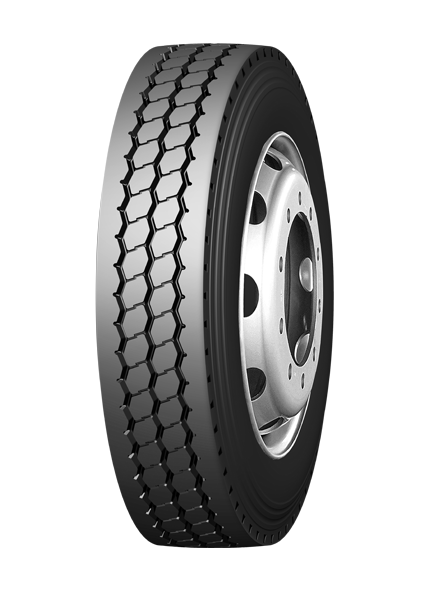
1. Tire Quality and Manufacturing
Premium truck tires from reputable brands are engineered with advanced rubber compounds and reinforced sidewalls, providing superior durability. Choosing high-quality tires is an investment that reduces frequent replacements and improves overall fleet performance.
2. Driving Habits
Aggressive acceleration, hard braking, and high-speed driving increase tire wear. Training drivers in eco-driving techniques not only saves fuel but also prolongs tire life.
3. Load Management
Exceeding recommended load capacities stresses tires, leading to overheating and tread separation. Proper load distribution and adherence to manufacturer load ratings are critical for tire safety and longevity.
4. Tire Maintenance
Inflation: Under-inflated tires increase rolling resistance, causing excessive wear, while over-inflated tires reduce traction.
Rotation: Rotating tires every 6,000–8,000 miles ensures even wear across axles.
Alignment and Balancing: Misaligned tires wear unevenly and can reduce lifespan by 20–30%.
Regular Inspections: Checking for cuts, punctures, and sidewall bulges prevents catastrophic failures.
5. Environmental Conditions
High Heat: Rubber softens, accelerating tread wear.
Cold Weather: Tires become brittle, increasing the risk of cracks.
Road Salt and Chemicals: Corrosion can damage steel belts and reduce structural integrity.
Even with careful maintenance, tires have a finite lifespan. Key indicators include:
Tread depth below 4/32 inches on steer tires or 2/32 inches on drive/ trailer tires.
Visible cracks, cuts, or blisters on sidewalls.
Uneven wear patterns indicating alignment or suspension issues.
Frequent punctures or pressure loss.
Replacing tires proactively prevents downtime, accidents, and costly repairs.
Invest in High-Quality Tires: Quality pays off in reduced downtime and longer lifespan.
Implement Regular Maintenance Schedules: Inflation, rotation, alignment, and inspections.
Train Drivers: Encourage fuel-efficient and tire-friendly driving habits.
Monitor Load Limits: Avoid overloading to prevent excessive stress.
Use Tire Management Systems: Advanced monitoring systems can track wear patterns and alert for replacements.
Fleet operators who actively manage tire maintenance experience:
Lower total operating costs.
Improved fuel efficiency (1–3% savings per properly inflated tire).
Reduced accident risk due to better traction and handling.
Longer replacement cycles, reducing procurement costs.
Truck tires are more than consumables—they are a key component of operational efficiency and safety in commercial transport. By understanding factors affecting longevity and implementing proactive maintenance strategies, fleet managers can extend tire lifespan, reduce costs, and ensure safer journeys.
Investing in quality tires and proper care today translates to fewer disruptions, lower costs, and optimized fleet performance tomorrow.

Even with careful maintenance, tires have a finite lifespan. Key indicators include:
Tread depth below 4/32 inches on steer tires or 2/32 inches on drive/ trailer tires.
Visible cracks, cuts, or blisters on sidewalls.
Uneven wear patterns indicating alignment or suspension issues.
Frequent punctures or pressure loss.
Replacing tires proactively prevents downtime, accidents, and costly repairs.
Invest in High-Quality Tires: Quality pays off in reduced downtime and longer lifespan.
Implement Regular Maintenance Schedules: Inflation, rotation, alignment, and inspections.
Train Drivers: Encourage fuel-efficient and tire-friendly driving habits.
Monitor Load Limits: Avoid overloading to prevent excessive stress.
Use Tire Management Systems: Advanced monitoring systems can track wear patterns and alert for replacements.
Fleet operators who actively manage tire maintenance experience:
Lower total operating costs.
Improved fuel efficiency (1–3% savings per properly inflated tire).
Reduced accident risk due to better traction and handling.
Longer replacement cycles, reducing procurement costs.
Truck tires are more than consumables—they are a key component of operational efficiency and safety in commercial transport. By understanding factors affecting longevity and implementing proactive maintenance strategies, fleet managers can extend tire lifespan, reduce costs, and ensure safer journeys.
Investing in quality tires and proper care today translates to fewer disruptions, lower costs, and optimized fleet performance tomorrow.