
English

> News > Company News > Lifespan and Durability of Long Haul Tires: Maximizing Fleet Performance and Safety
Company News
For fleet operators, logistics companies, and long-haul truck drivers, tires are one of the most critical components of operational efficiency and safety. Long-haul trucks travel thousands of miles across diverse terrains and weather conditions, making lifespan and durability essential factors in tire selection. Choosing high-quality long-haul tires can reduce maintenance costs, prevent downtime, and ensure the safety of drivers and cargo. In this blog, we explore everything you need to know about the lifespan, durability, and best practices for maximizing the performance of long-haul truck tires.
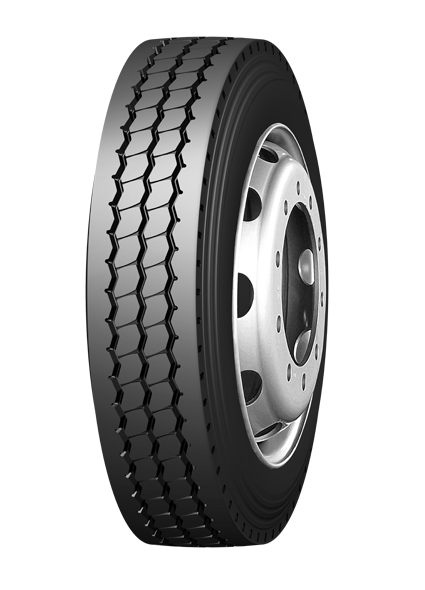
Long-haul tires are specifically engineered for trucks that operate over long distances, often on highways, urban roads, and occasionally rural routes. Unlike short-haul or regional tires, long-haul tires are designed to:
Withstand heavy loads over extended periods
Maintain traction in varied weather conditions
Provide consistent performance over high mileage
Reduce fuel consumption through optimized rolling resistance
The combination of tread design, rubber compounds, and structural reinforcement determines both the lifespan and durability of these tires.
The lifespan of long-haul tires is influenced by multiple factors:
a. Tire Quality and Construction
Premium long-haul tires feature reinforced sidewalls, multi-ply belts, and wear-resistant rubber compounds. These elements help tires resist punctures, cuts, and tread separation, directly impacting longevity. Tires constructed with advanced materials also maintain flexibility in cold temperatures and reduce heat buildup, which are key contributors to premature tire wear.
b. Load and Weight Management
Overloading trucks or uneven weight distribution significantly reduces tire life. Even a high-quality long-haul tire will wear prematurely if consistently subjected to stress beyond its rated load capacity. Fleet managers must ensure proper load management to extend tire durability.
c. Road and Environmental Conditions
The type of roads trucks operate on affects wear patterns:
Highway-Only Routes: Smooth surfaces and fewer stops generally allow tires to last longer.
Urban Routes: Frequent braking, turning, and potholes increase tread wear.
Rough Terrain: Gravel, debris, and unpaved roads accelerate tire degradation.
Environmental conditions such as extreme heat, snow, or ice also play a role in reducing tire lifespan if tires are not optimized for such conditions.
d. Maintenance Practices
Proper maintenance is a key factor in tire longevity. Regular checks, proper inflation, wheel alignment, and timely rotations ensure even wear across all tires, maximizing both lifespan and safety.
To meet the demands of long-distance trucking, modern long-haul tires are equipped with several durability-enhancing features:
Multi-Ply Belt Construction: Increases load-bearing capacity and reduces the risk of tread separation.
High Wear-Resistant Rubber Compounds: Maintain tread integrity over high mileage and harsh conditions.
Optimized Tread Design: Ensures even wear, improves traction, and disperses heat to prevent premature failure.
Sidewall Reinforcement: Protects against curb damage, abrasions, and cuts from road debris.
These features collectively extend the service life of the tires while maintaining consistent performance.
While lifespan depends on usage and maintenance, long-haul truck tires generally last 80,000 to 120,000 miles. Lifespan can be maximized by:
Prioritizing highway operations over rough terrain
Adhering to recommended load capacities
Maintaining correct tire pressure and alignment
Rotating tires at regular intervals to ensure even wear
Regular inspection of tread depth, sidewalls, and alignment helps identify tires nearing the end of their service life before they become a safety hazard.
Fleet managers should watch for early warning signs of tire degradation:
Uneven or rapid tread wear
Sidewall cracks, bulges, or cuts
Vibrations during driving
Reduced traction on wet or icy surfaces
Identifying these signs early allows for timely tire replacement, preventing accidents, downtime, and increased operational costs.
Proper care and management are essential to get the most mileage out of long-haul tires:
Maintain Correct Tire Pressure: Prevents overheating, uneven wear, and fuel inefficiency.
Avoid Overloading Trucks: Operating within tire load ratings ensures structural integrity.
Perform Regular Inspections: Check tread depth, sidewalls, and alignment frequently.
Rotate Tires Periodically: Ensures even wear across all tires.
Select High-Quality Tires: Premium tires last longer and perform consistently, reducing total cost of ownership.
Durable long-haul tires benefit fleet operators in multiple ways:
Cost Savings: Fewer replacements and reduced maintenance costs.
Fuel Efficiency: Optimized rolling resistance lowers fuel consumption.
Operational Reliability: Less downtime due to tire failure ensures on-time deliveries.
Safety: Reduced risk of blowouts and accidents, protecting drivers and cargo.
Investing in long-lasting tires is therefore not only about performance but also operational strategy and profitability.
The lifespan and durability of long-haul tires are crucial for fleet safety, efficiency, and cost-effectiveness. By choosing high-quality tires, maintaining proper load management, and following regular inspection and maintenance routines, fleet managers can:
Extend tire service life
Reduce operational costs
Ensure driver and cargo safety
Improve fuel efficiency and operational reliability
Understanding these factors allows fleets to maximize the value of their tires while maintaining consistent performance on the road.