
English

> News > Company News > High-Performance Mining Truck Tires for Heavy Loads
Company News
Mining operations demand equipment that can withstand some of the harshest working environments on earth. Among all the critical components of a mining truck, mining truck tires directly influence productivity, safety, fuel efficiency, and overall operating costs. Whether transporting ore, coal, copper, gold, or aggregates, selecting high-performance mining truck tires for heavy loads is essential for maximizing equipment uptime and minimizing maintenance expenses.
This guide explains everything fleet managers, mine operators, equipment distributors, and procurement professionals should know when choosing heavy-duty mining tires.
Mining trucks operate under conditions that ordinary commercial tires cannot survive. They routinely carry hundreds of tons over rough terrain, steep gradients, loose gravel, and sharp rocks while working continuously around the clock.
High-quality mining tires offer:
Higher load capacity
Superior cut and puncture resistance
Longer tread life
Better traction on challenging surfaces
Improved heat dissipation
Reduced downtime
Lower total operating cost
A premium mining tire can significantly improve the productivity of an entire mining fleet.
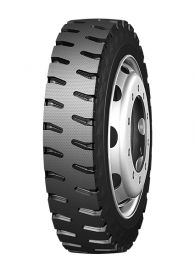
Mining environments expose tires to multiple stress factors simultaneously.
Large haul trucks often transport massive loads, placing enormous pressure on the tire carcass and sidewalls.
Mining roads frequently contain:
Sharp rocks
Broken stone
Gravel
Uneven ground
Loose surfaces
These conditions increase the risk of cuts, punctures, and tread damage.
Many mining sites operate 24 hours a day, requiring tires to maintain performance with minimal cooling time.
Heat generated from heavy loads and continuous movement accelerates tire wear and can lead to premature failure if heat resistance is inadequate.
Heavy-duty mining tires are engineered with reinforced structures capable of supporting extremely heavy payloads without excessive deformation.
Benefits include:
Improved stability
Reduced sidewall stress
Longer service life
Enhanced safety
Deep tread patterns provide:
Better traction
Longer wear life
Improved grip on loose surfaces
Better resistance to abrasion
Deep treads are particularly valuable in open-pit mining operations where rocky terrain is common.
A strong carcass improves:
Impact resistance
Load distribution
Structural integrity
Retreadability
Steel belts and high-strength cord materials help absorb heavy impacts while maintaining tire shape.
Heat is one of the leading causes of tire failure.
Premium mining tires incorporate advanced rubber compounds that:
Reduce heat buildup
Improve durability
Prevent tread separation
Extend operating hours
Mining roads are filled with sharp rocks capable of damaging ordinary tires.
Advanced compounds provide:
Cut resistance
Tear resistance
Puncture protection
Chip resistance
This dramatically lowers unexpected tire failures.
Designed for:
Large haul trucks
Surface mines
Quarry operations
Features include:
Deep tread
High durability
Excellent heat resistance
Underground operations require:
Compact dimensions
High traction
Sidewall protection
Strong puncture resistance
Ideal for:
Stone quarries
Aggregate production
Cement plants
These tires focus on abrasion resistance and stability.
Suitable for equipment operating in both mining and heavy construction environments.
Applications include:
Wheel loaders
Articulated dump trucks
Rigid dump trucks
Always match tire load ratings with:
Truck capacity
Average payload
Maximum operating weight
Overloading significantly shortens tire lifespan.
Different mining environments require different tread designs.
| Road Condition | Recommended Tire Type |
|---|---|
| Sharp Rock | Cut-resistant deep tread |
| Soft Soil | Wide traction tread |
| Gravel | Balanced tread pattern |
| Wet Ground | High-grip tread |
Long-distance hauling generates more heat.
Look for tires offering:
Low rolling resistance
Excellent heat dissipation
Durable compounds
Although mining trucks typically travel at moderate speeds, selecting tires designed for the operating speed improves safety and durability.
Extreme temperatures affect rubber performance.
Premium compounds maintain flexibility and durability in:
Hot deserts
Tropical climates
Cold mining regions
Reliable tires reduce unexpected downtime and keep trucks operating longer.
Benefits include:
More hauling cycles
Better fleet utilization
Higher production output
Quality tires require fewer repairs because they resist:
Cuts
Sidewall damage
Tread separation
Blowouts
Advanced rubber compounds increase wear resistance, reducing replacement frequency.
This lowers operating costs throughout the tire's lifecycle.
Reduced rolling resistance helps decrease fuel consumption, especially during long-haul mining operations.
Even small efficiency gains can generate substantial savings across large fleets.
Stable, durable tires improve:
Vehicle control
Braking performance
Cornering stability
Load handling
Safety is especially critical on steep haul roads.
High-performance mining truck tires are widely used in:
Open-pit mining
Underground mining
Coal mining
Gold mining
Copper mining
Iron ore mining
Limestone quarries
Granite quarries
Cement plants
Aggregate production
Proper maintenance significantly extends mining tire performance.
Incorrect inflation leads to:
Uneven wear
Increased heat
Reduced load capacity
Higher fuel consumption
Regular pressure inspections are essential.
Excessive heat accelerates rubber aging.
Use tire monitoring systems whenever possible to detect overheating early.
Periodic rotation promotes even wear and maximizes service life.
Routine inspections should check for:
Cuts
Embedded rocks
Sidewall cracks
Tread damage
Irregular wear
Early repairs reduce the risk of catastrophic failures.
Well-maintained roads reduce:
Tire damage
Vibration
Fuel consumption
Suspension wear
Road maintenance benefits the entire fleet.
Selecting the right supplier is just as important as choosing the tire itself.
A reliable supplier should offer:
Multiple tire sizes
OEM-compatible products
Strict quality control
Consistent production capacity
Competitive pricing
Global export experience
Technical support
Fast delivery
Warranty services
Long-term partnerships ensure a stable supply and lower procurement risks.
Service life depends on operating conditions, load, road quality, and maintenance. Premium mining tires generally last significantly longer than standard heavy-duty tires when properly maintained.
Common causes include:
Overloading
Underinflation
Excessive heat
Poor haul road conditions
Sharp rock impacts
Inadequate maintenance
Many premium mining tires feature reinforced carcass designs suitable for retreading, helping reduce total lifecycle costs when the casing remains in good condition.
The correct size depends on:
Truck model
Load capacity
Rim specifications
Mine conditions
Manufacturer recommendations
Consulting an experienced tire supplier ensures optimal fit and performance.
High-performance mining truck tires are a critical investment for mining operations that demand maximum reliability, safety, and productivity under heavy loads. By selecting tires with reinforced construction, advanced rubber compounds, deep tread designs, and excellent heat and cut resistance, mining companies can reduce downtime, extend tire life, and lower overall operating costs.
Whether you operate open-pit mines, underground sites, quarries, or large-scale material handling fleets, partnering with a trusted mining truck tire manufacturer or supplier ensures access to durable, high-quality tires tailored to your equipment and operating conditions. Investing in the right mining truck tires today will help improve fleet efficiency and deliver long-term value across every haul cycle.