
English

> News > Company News > Regional Truck Tyre Features Built for Stop-and-Go Delivery Routes
Company News
The rapid growth of e-commerce, urban distribution networks, and regional logistics has transformed the transportation industry. Unlike long-haul operations that prioritize fuel efficiency over long distances, regional delivery fleets face unique challenges that require specialized tire solutions.
Frequent stops, repeated acceleration, tight cornering, heavy loads, and varying road conditions place significant stress on commercial vehicle tires. Choosing the right regional truck tyre can directly impact fleet operating costs, vehicle uptime, fuel consumption, and overall delivery efficiency.
In this article, we'll explore the essential features that make regional truck tyres ideal for stop-and-go delivery routes and how fleet operators can select the best tires for their operations.
Regional trucking typically involves shorter routes that cover distances between urban centers, suburban areas, warehouses, and distribution hubs.
Common applications include:
Last-mile delivery
Food and beverage distribution
Retail logistics
Parcel and courier services
Municipal services
Refrigerated transportation
Construction material delivery
Compared to long-haul trucks, regional vehicles experience far more frequent braking, accelerating, and turning throughout the day.
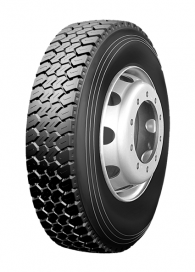
Regional delivery vehicles face several unique operating challenges.
Frequent Braking and Acceleration
Repeated start-stop cycles generate excessive heat and accelerate tread wear.
Tight Urban Turns
Constant turning increases shoulder wear and places additional stress on the sidewalls.
Heavy Payload Variations
Truck loads may frequently change throughout delivery routes, causing uneven tire pressure distribution.
Curbs and Road Obstacles
Urban environments expose tires to:
Curbs
Potholes
Speed bumps
Debris
Uneven pavement
Extended Idle Time
Vehicles may spend significant time idling during loading, unloading, and traffic congestion.
These factors make specialized regional truck tyres essential.
1. Enhanced Tread Wear Resistance
Regional delivery routes create rapid tread wear due to constant friction.
High-quality regional truck tyres use advanced rubber compounds that provide:
Longer tread life
Even wear patterns
Improved durability
Reduced replacement frequency
Wear-resistant compounds help fleets lower their overall tire costs.
2. Reinforced Sidewall Construction
Urban delivery routes expose tires to sidewall damage from curbs and road hazards.
Reinforced sidewalls provide:
Increased impact resistance
Better puncture protection
Reduced risk of sidewall cuts
Improved structural durability
Strong sidewalls are especially important for medium and heavy-duty delivery trucks.
3. Optimized Tread Patterns
Regional truck tyres often feature specialized tread designs that balance traction, durability, and fuel efficiency.
Benefits include:
Enhanced wet traction
Better braking performance
Improved handling
Reduced stone retention
Even pressure distribution
Optimized tread blocks also reduce irregular wear.
4. Excellent Heat Management
Frequent acceleration and braking generate substantial heat.
Advanced tire engineering helps:
Dissipate heat efficiently
Reduce thermal stress
Prevent premature aging
Extend tire lifespan
Heat-resistant compounds improve reliability during demanding operations.
5. Improved Rolling Resistance
Fuel costs remain one of the largest operating expenses for fleets.
Low rolling resistance tires help:
Reduce fuel consumption
Lower carbon emissions
Improve operational efficiency
Modern regional truck tyres achieve a balance between fuel savings and durability.
6. Superior Wet Traction
Delivery schedules continue regardless of weather conditions.
Advanced tread designs improve performance on:
Wet roads
Slippery intersections
Rain-soaked pavement
Enhanced wet grip increases driver confidence and overall safety.
7. Resistance to Scrubbing and Shoulder Wear
Stop-and-go routes often involve frequent turning and lane changes.
Regional truck tyres are designed with:
Wider shoulders
Reinforced shoulder ribs
Specialized wear-resistant compounds
These features minimize shoulder damage and extend service life.
8. Retread-Friendly Casing Design
Retreading helps fleets reduce operating costs.
Premium regional truck tyres are built with durable casings that support multiple retread cycles.
Benefits include:
Lower total cost of ownership
Reduced waste
Extended tire usage
High-quality casings provide long-term value for fleet operators.
Different Axle Positions Require Different Tire Features
Steer Axle Tires
Steer tires require:
Excellent handling
Responsive steering
Wet traction
Even wear resistance
These tires prioritize control and driver safety.
Key Features
Multi-rib tread design
Reinforced shoulders
Enhanced stability
Drive Axle Tires
Drive tires provide traction during acceleration.
Key requirements include:
Strong grip
Wear resistance
Heat management
Key Features
Deep tread blocks
Durable compounds
Self-cleaning tread patterns
Trailer Axle Tires
Trailer tires focus on carrying loads efficiently.
Key priorities include:
Low rolling resistance
Durability
Even wear distribution
Key Features
Wide footprint
Stable tread design
Retreadable casing
Regional truck tyres are widely used in various industries.
E-commerce and Parcel Delivery
Frequent stops and tight delivery schedules require durable tires.
Food and Beverage Distribution
Reliable performance is critical for temperature-sensitive deliveries.
Retail Logistics
Daily distribution routes demand long-lasting tire solutions.
Municipal Services
Garbage trucks, utility vehicles, and public service fleets benefit from reinforced tires.
Construction Supply Delivery
Heavy loads and urban job sites require robust tire performance.
Investing in purpose-built regional truck tyres offers numerous advantages.
Lower Operating Costs
Reduced wear extends replacement intervals.
Improved Fuel Efficiency
Lower rolling resistance helps save fuel.
Increased Vehicle Uptime
Durable tires reduce unexpected breakdowns.
Enhanced Driver Safety
Better traction improves handling and braking.
Longer Tire Life
Advanced compounds withstand demanding delivery conditions.
Reduced Maintenance Expenses
Fewer tire-related repairs reduce service costs.
Before purchasing, fleet operators should evaluate several factors.
Analyze Route Conditions
Consider:
Urban streets
Suburban roads
Highway percentages
Road quality
Determine Load Requirements
Evaluate:
Average payload
Maximum payload
Weight fluctuations
Assess Driving Patterns
Consider:
Number of daily stops
Driving distance
Traffic conditions
Prioritize Total Cost of Ownership
Focus on long-term value rather than initial purchase price.
Key considerations include:
Tire lifespan
Fuel savings
Retreadability
Maintenance costs
Maintenance Tips to Maximize Tire Performance
Even the best tires require proper maintenance.
Maintain Correct Tire Pressure
Incorrect inflation can lead to:
Uneven wear
Reduced fuel efficiency
Premature failure
Perform Regular Rotations
Rotating tires helps distribute wear evenly.
Monitor Alignment
Poor alignment accelerates tire wear.
Conduct Routine Inspections
Check for:
Cuts
Punctures
Cracks
Uneven wear
Train Drivers
Driver behavior significantly affects tire longevity.
Encourage:
Smooth acceleration
Gradual braking
Careful cornering
The commercial transportation industry is evolving rapidly.
Future tire innovations include:
Smart Tire Monitoring Systems
Sensors track:
Tire pressure
Temperature
Wear levels
Advanced Sustainable Materials
Manufacturers are developing eco-friendly compounds to reduce environmental impact.
AI-Driven Fleet Management Integration
Real-time data will help optimize tire replacement schedules and improve efficiency.
Electric Truck Compatibility
Specialized tires will support the heavier weight and instant torque of electric commercial vehicles.
Regional delivery operations place unique demands on commercial vehicle tires. Frequent stops, heavy loads, urban obstacles, and continuous acceleration require tires specifically engineered for these conditions.
Choosing high-quality regional truck tyres built for stop-and-go delivery routes can significantly reduce operating costs, improve fuel efficiency, enhance safety, and maximize fleet productivity.
For fleet managers, logistics companies, and commercial vehicle operators, investing in the right tire technology is not just a maintenance decision—it's a strategic investment that directly impacts business performance.