
English

> News > Company News > Choosing On and Off Road Tires for Mud, Sand, and Gravel
Company News
Selecting the right on and off road tires is essential for vehicles that regularly transition between highways and challenging terrains such as mud, sand, and gravel. These conditions place very different demands on traction, durability, and self-cleaning ability, so tire choice has a direct impact on safety, performance, and operating cost.
Whether for construction fleets, agricultural vehicles, mining transport, or adventure driving, understanding how different tire designs behave in specific terrains helps ensure reliable performance in all conditions.
On and off road tires (often called mixed-use or all-terrain tires) are designed to perform in both paved and unpaved environments. Unlike standard highway tires, they feature:
Reinforced sidewalls for impact resistance
Aggressive tread patterns for loose surfaces
Deeper grooves for self-cleaning ability
Stronger rubber compounds for abrasion resistance
They are commonly used where vehicles must switch between road transport and rough terrain work.
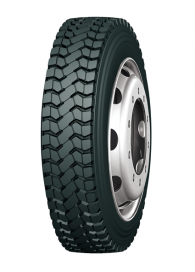
Each terrain type—mud, sand, and gravel—requires different tire characteristics. A tire that performs well in one environment may struggle in another.
1. Tires for Mud Terrain
Mud is one of the most challenging surfaces due to its low traction and high clogging potential.
Key Tire Features for Mud
Wide, deep tread blocks
Large void spaces between lugs
Self-cleaning tread design
High sidewall strength
Why These Features Matter
Mud tires must continuously eject debris to maintain grip. Without self-cleaning capability, tread blocks become packed, turning the tire into a slick surface.
Performance Characteristics
Excellent traction in deep mud
Reduced performance on highways (noise and wear)
Strong resistance to slippage in soft ground
2. Tires for Sand Terrain
Sand requires a completely different approach. Instead of digging in, tires need to “float” over the surface.
Key Tire Features for Sand
Wider footprint for weight distribution
Lower ground pressure design
Flexible sidewalls for slight deflation use
Smooth but open tread patterns
Why These Features Matter
In sand, sinking is the main issue. A larger contact area helps distribute vehicle weight and prevents the tires from digging too deeply.
Performance Characteristics
Improved flotation over soft sand
Reduced digging and bogging down
Better control at lower tire pressures
Moderate highway performance depending on tread design
3. Tires for Gravel Roads
Gravel surfaces combine loose stones, hard patches, and abrasive edges that can quickly damage weak tires.
Key Tire Features for Gravel
Reinforced tread compound for cut resistance
Tight tread blocks for stability
Strong casing structure
Stone ejector grooves
Why These Features Matter
Gravel roads create continuous micro-impact and cutting forces. Tires must resist punctures while maintaining consistent grip on unstable surfaces.
Performance Characteristics
High durability against sharp stones
Stable handling on uneven ground
Reduced risk of sidewall damage
Balanced on-road comfort and off-road toughness
Selecting a tire that performs across multiple terrains requires balancing trade-offs.
1. Identify Dominant Terrain Use
Mostly mud: prioritize aggressive tread depth
Mostly sand: prioritize flotation and low pressure capability
Mostly gravel: prioritize durability and puncture resistance
2. Consider Vehicle Load
Heavier vehicles require:
Stronger sidewalls
Higher load-rated casings
Heat-resistant rubber compounds
3. Evaluate Driving Speed
High-speed road travel requires tighter tread blocks
Low-speed off-road work benefits from aggressive patterns
4. Look for Hybrid All-Terrain Designs
Modern mixed-use tires often combine:
Moderate tread aggression
Reinforced shoulder blocks
Balanced on-road stability
These are ideal for vehicles switching frequently between road and off-road conditions.
Proper maintenance significantly improves performance and lifespan:
Adjust tire pressure based on terrain
Clean mud and gravel from tread regularly
Inspect sidewalls after off-road use
Rotate tires to balance uneven wear
Avoid sustained highway speeds with deep off-road tread patterns
Using highway tires in off-road environments
Overinflating tires for sand conditions
Ignoring tread clogging in muddy terrain
Choosing overly aggressive tread for mostly road use
Each of these can reduce performance and increase tire wear dramatically.
Choosing the right on and off road tires for mud, sand, and gravel is not about finding a single “perfect” tire, but about matching tire design to real working conditions. Mud requires aggressive self-cleaning traction, sand demands flotation and pressure adaptability, while gravel calls for toughness and puncture resistance.
A well-balanced tire selection strategy ensures better safety, improved efficiency, and lower long-term operating costs across mixed terrain environments.